Eyes
Hands
Arm
Body
Environment
OpenCV
BlazePose
FaceMesh
HandPose
Camera
Webcam
Generated movement
Form
Composition
Free
Technical
Choreographic Toolkit
Typography
1
Contour
Environment
OpenCV
Form
2
Bounds
Environment
Body
OpenCV
Webcam
Composition
Free
3
Ornament
Hands
HandPose
Webcam
Form
Free
4
Angle
Hands
Arm
HandPose
BlazePose
Webcam
Composition
Technical
5
Skew
Body
BlazePose
Webcam
Composition
Free
6
To Mold
Hands
HandPose
Webcam
Form
Free
7
Contour_2
Body
BlazePose
Webcam
Generated movement
Form
8
Focus
Eyes
FaceMesh
Webcam
Composition
Technical
9
Tilt
Body
BlazePose
Webcam
Composition
Free
10
Spacing
Body
BlazePose
Webcam
Composition
Technical
11
Perspective
Body
BlazePose
Camera
Composition
Technical
12
To Mold_2
Hands
HandPose
Webcam
Form
Free
1
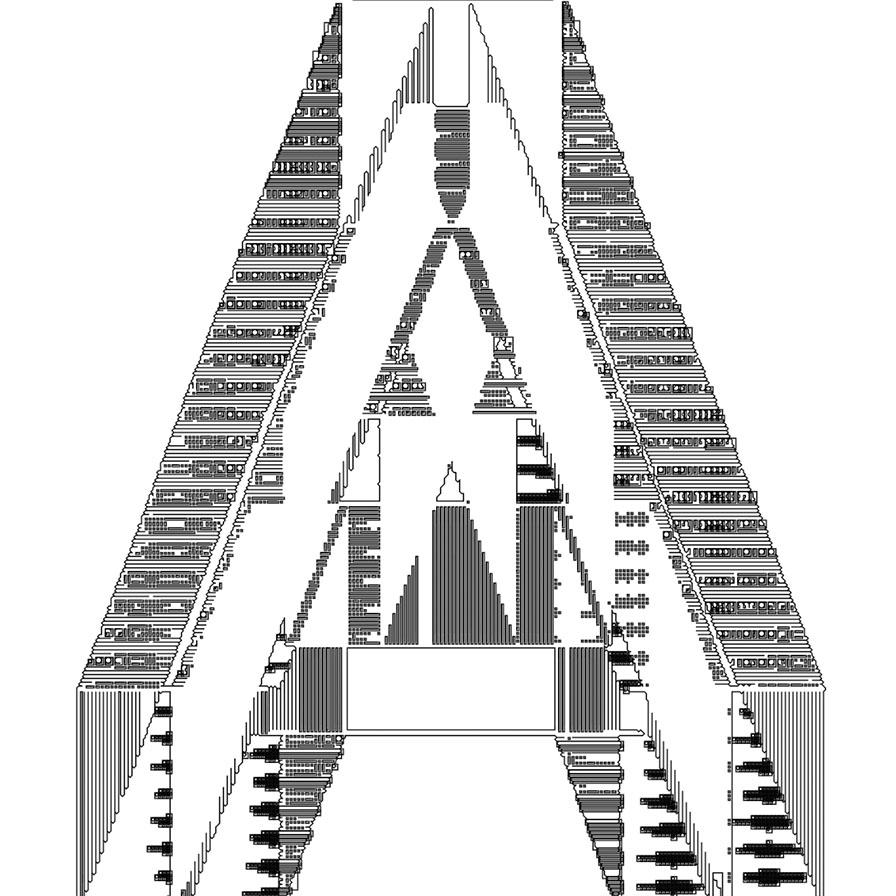
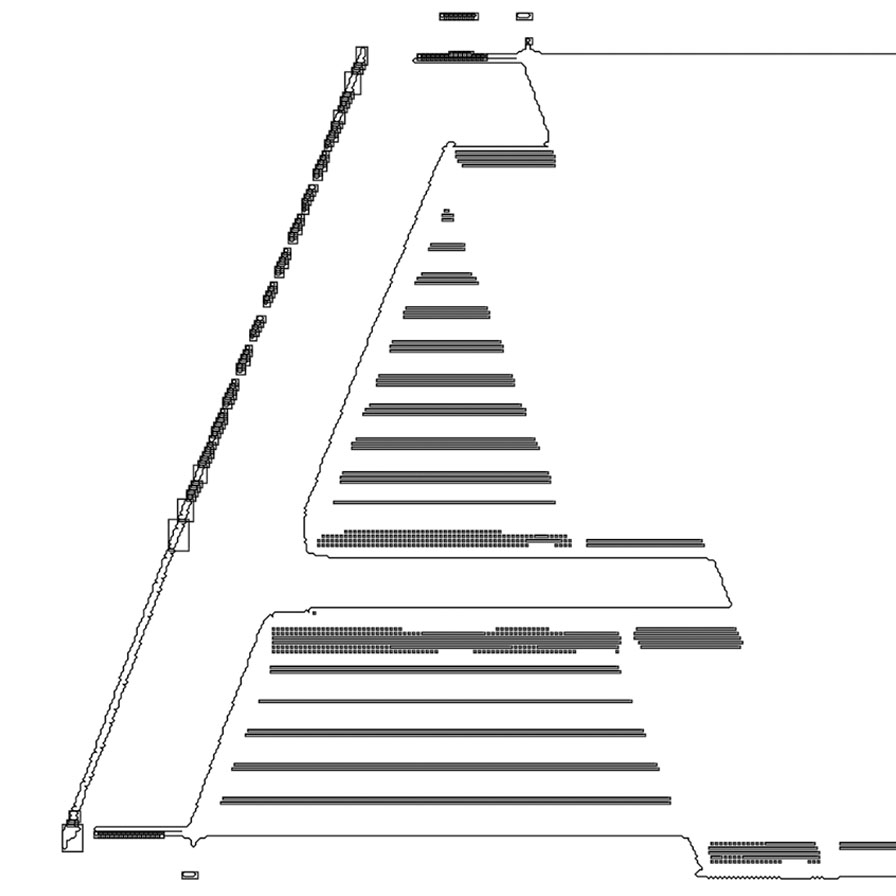
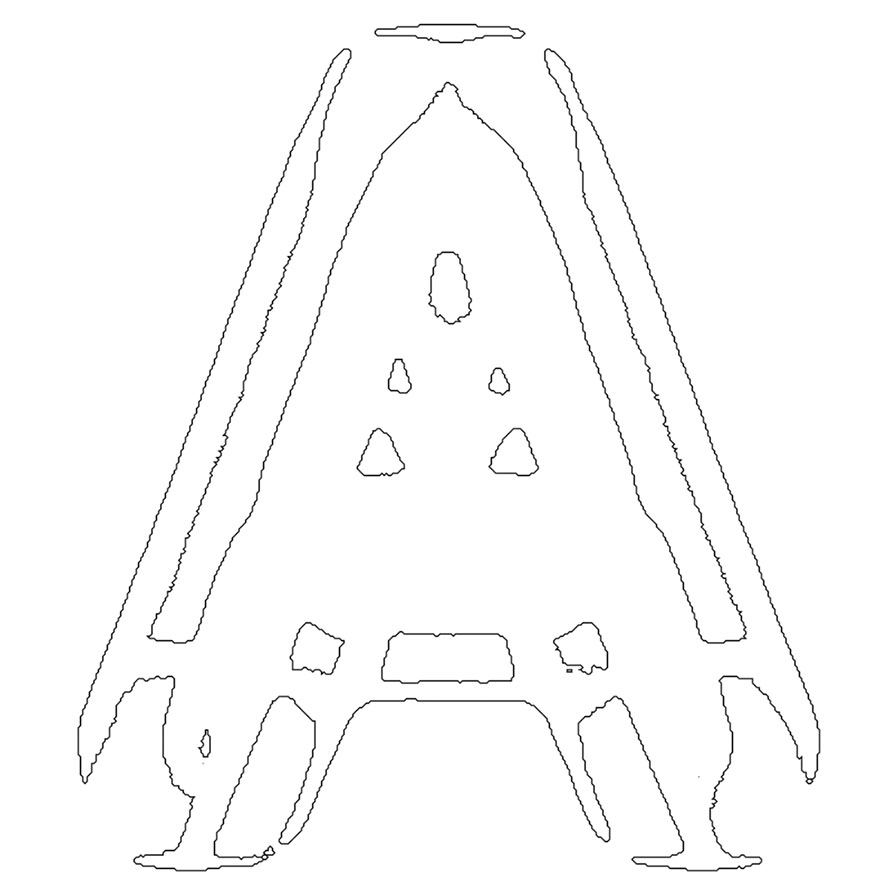
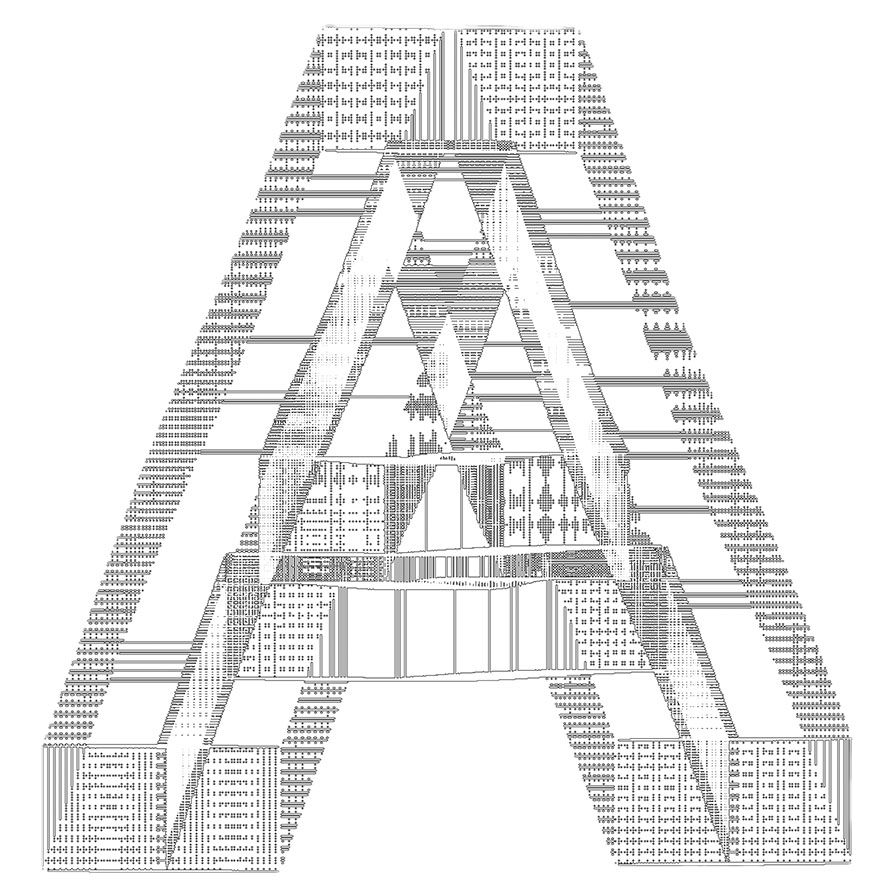
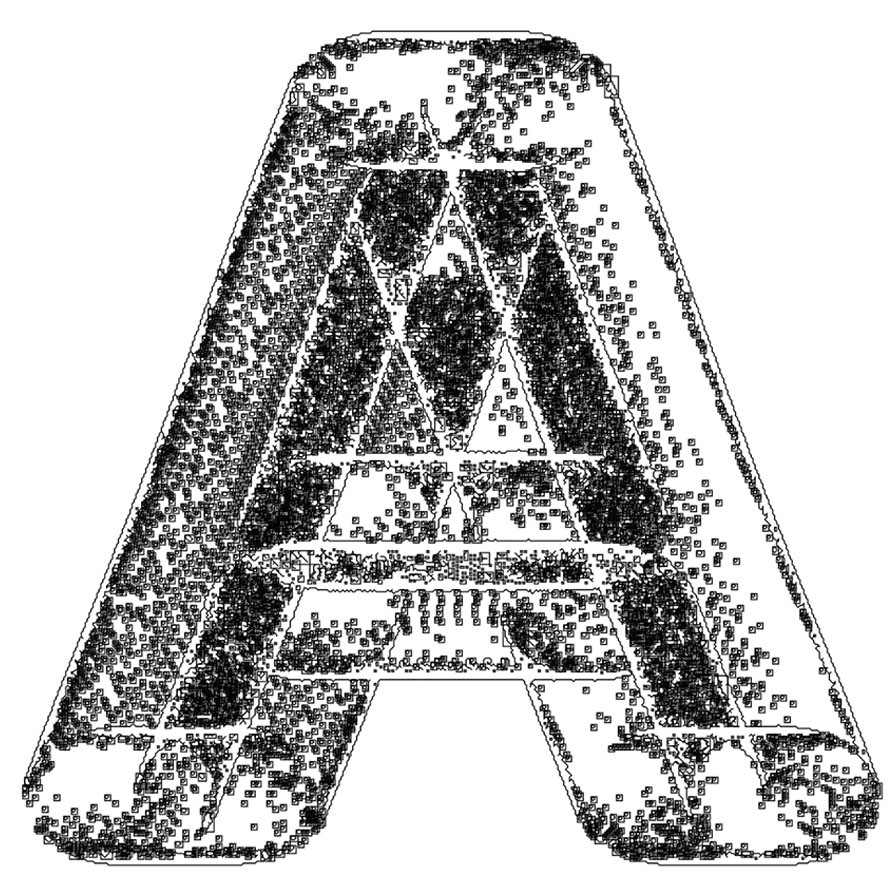
Contour
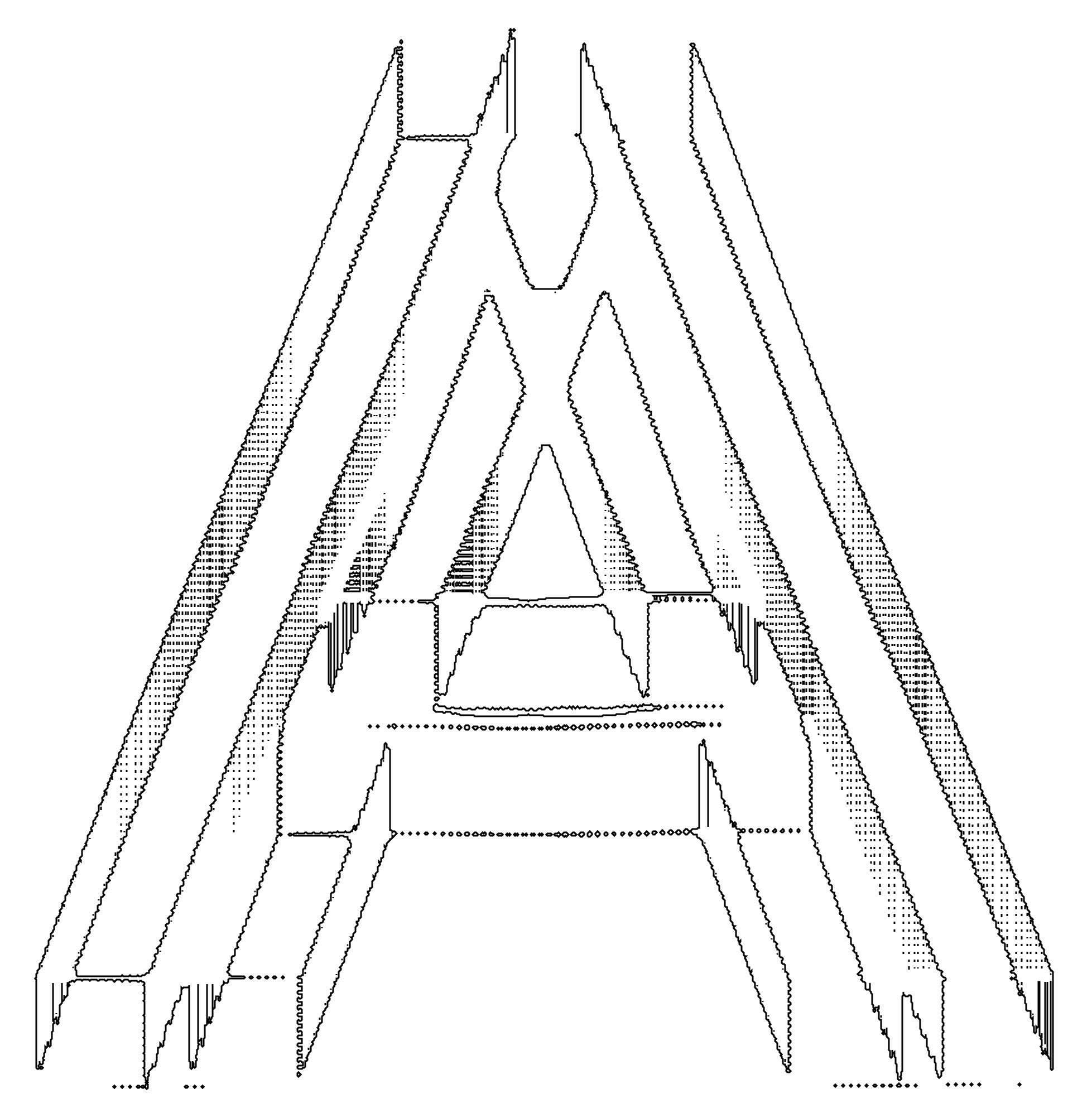
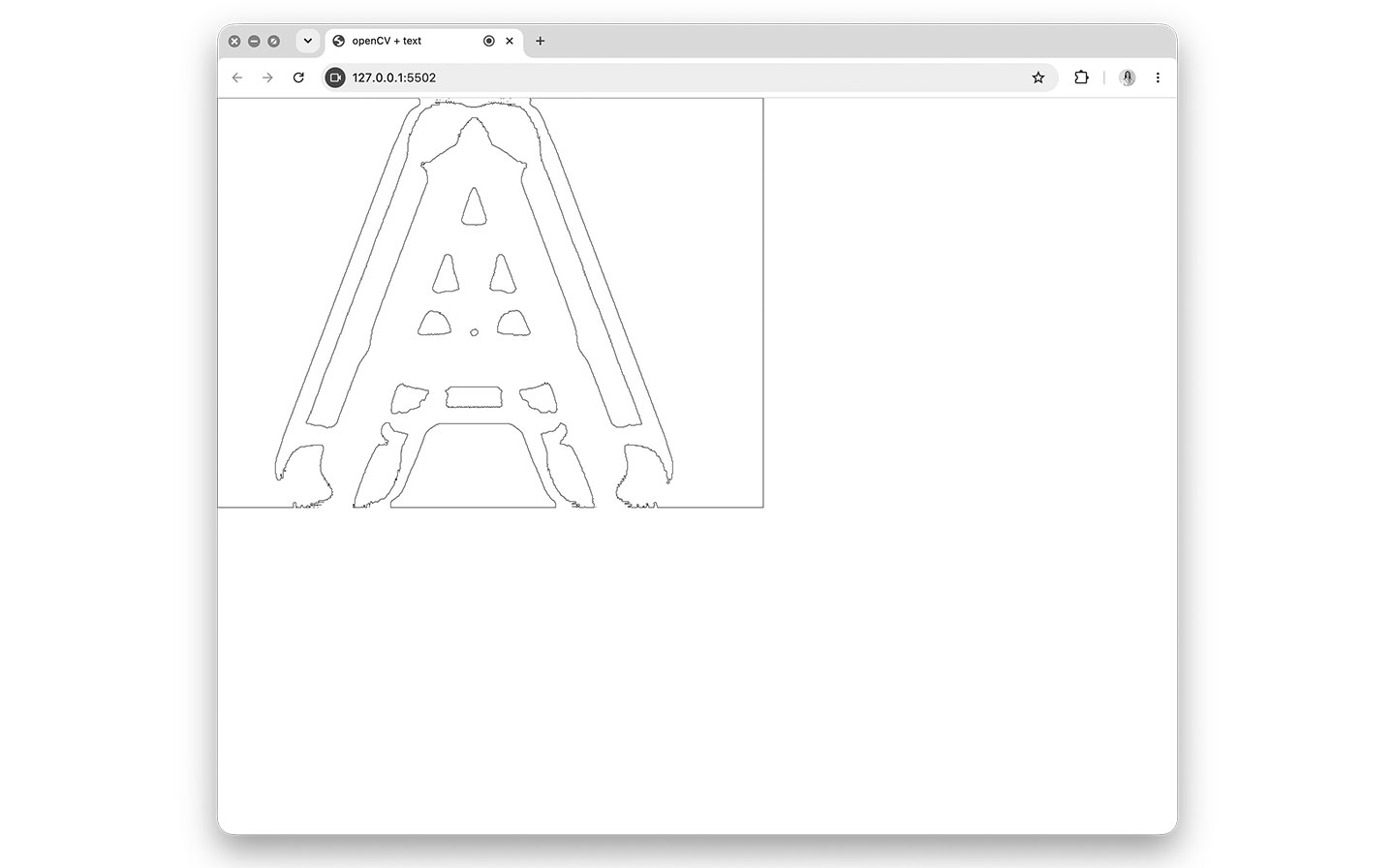
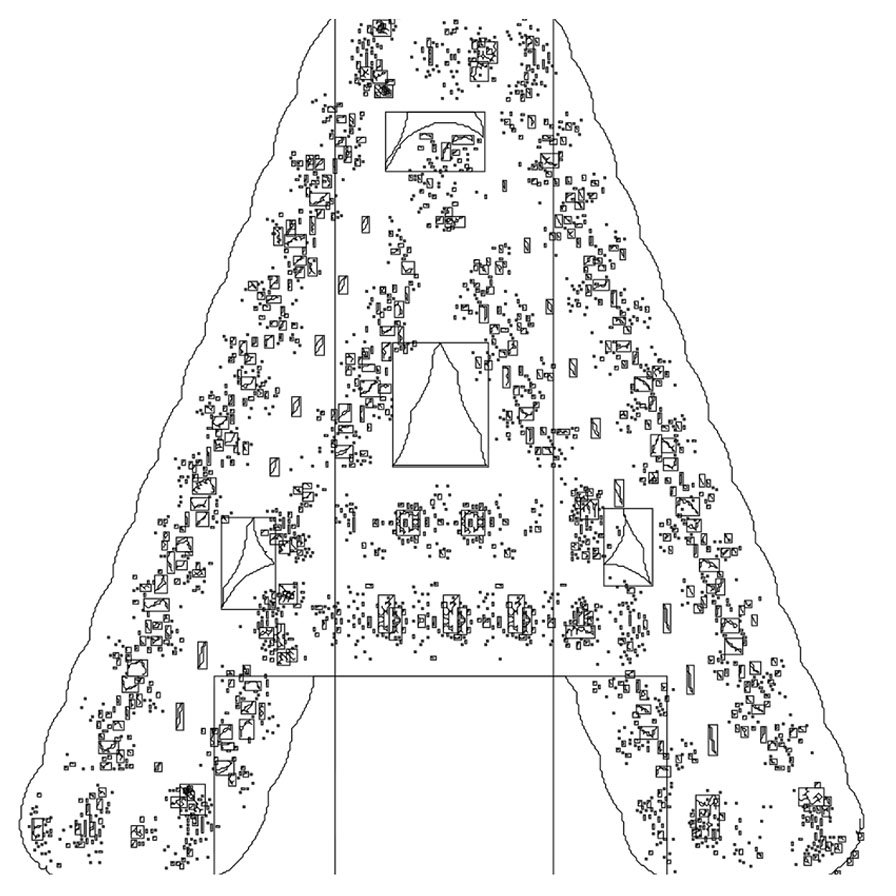
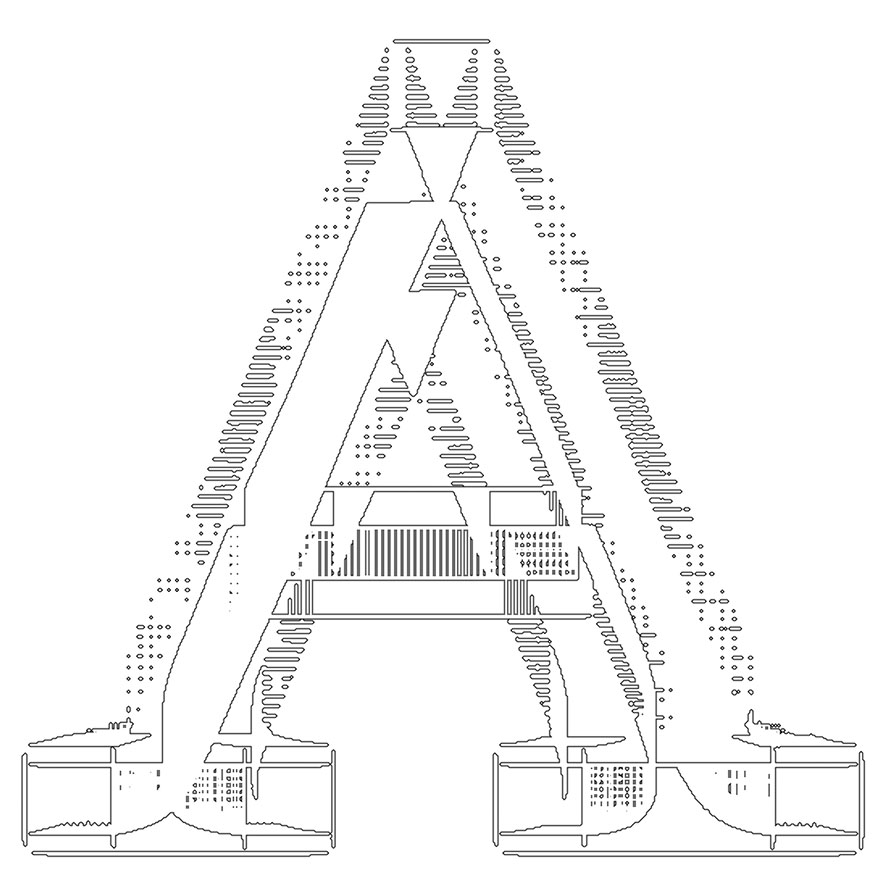
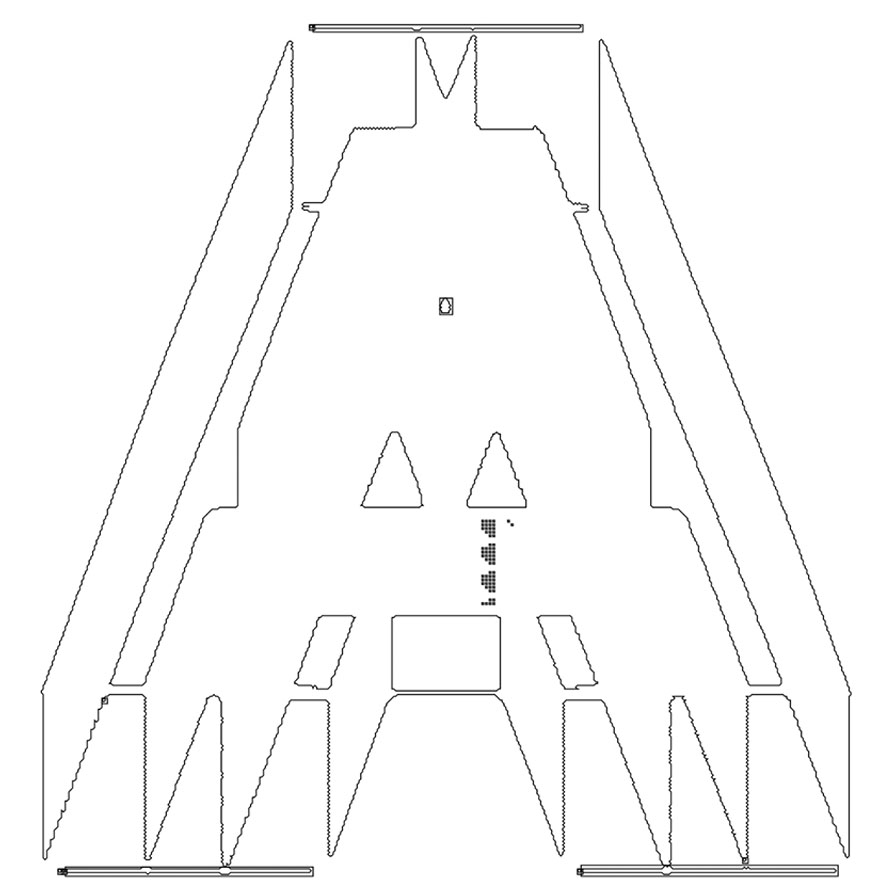
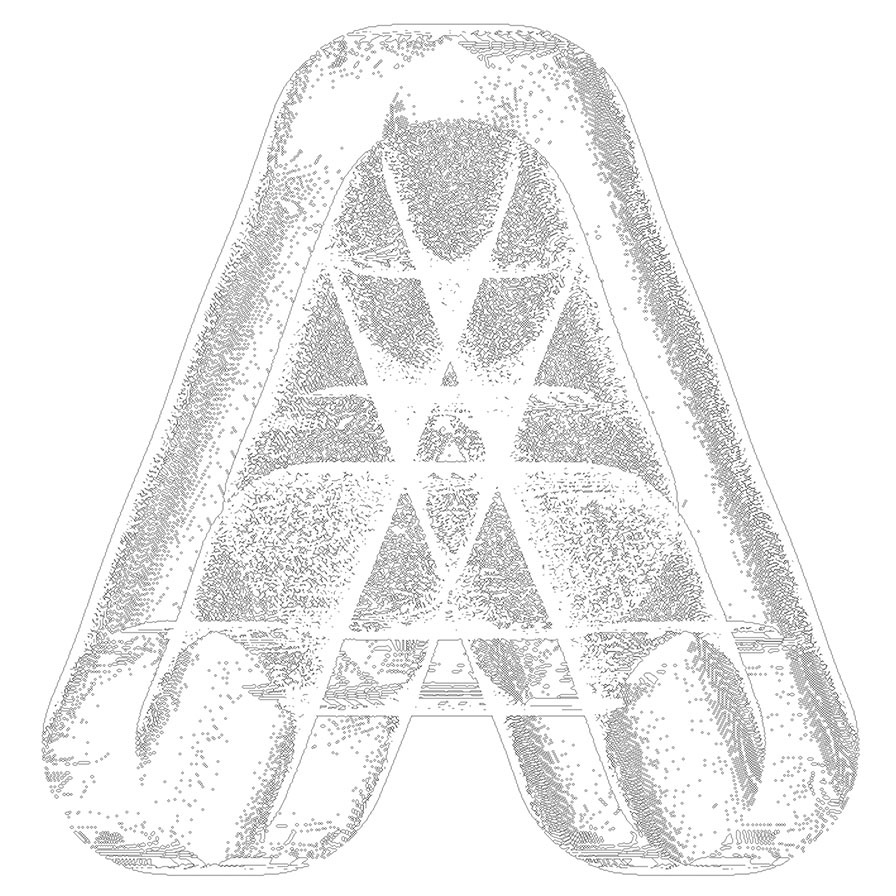
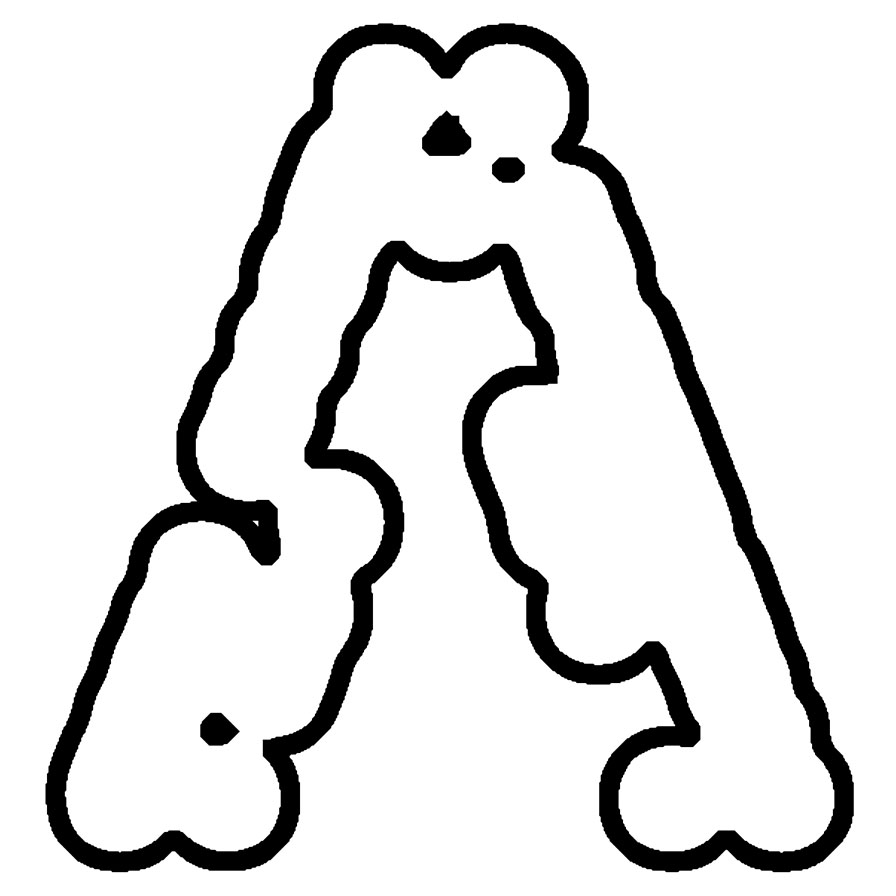
Recursively tracking edges of digital characters with OpenCV within the digital screen. This tracking created unexpected overlaps and glitches based on the size and resolution of the tracking algorithm. The theme of this experiment became isolating machine and computer vision qualities.
2
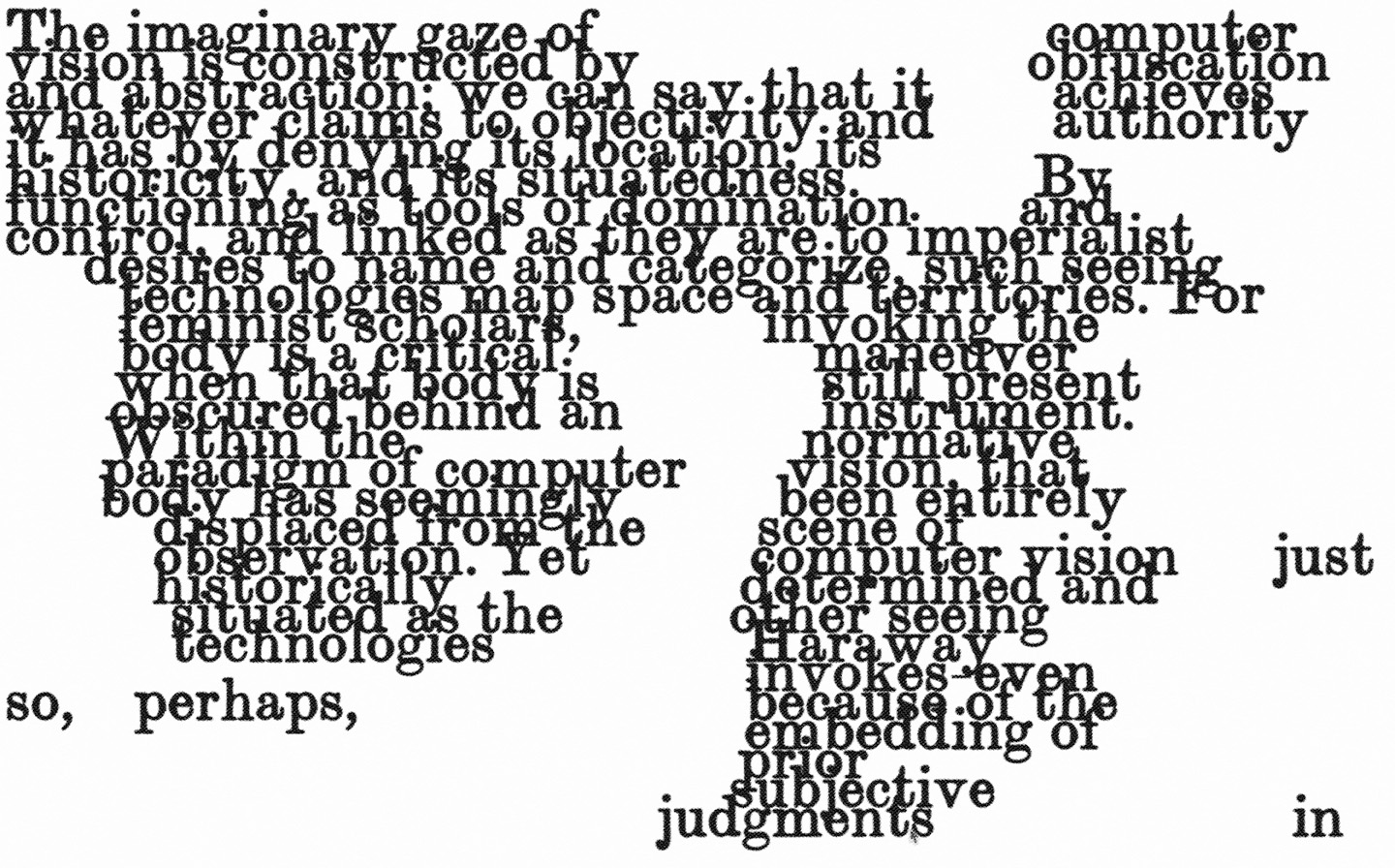
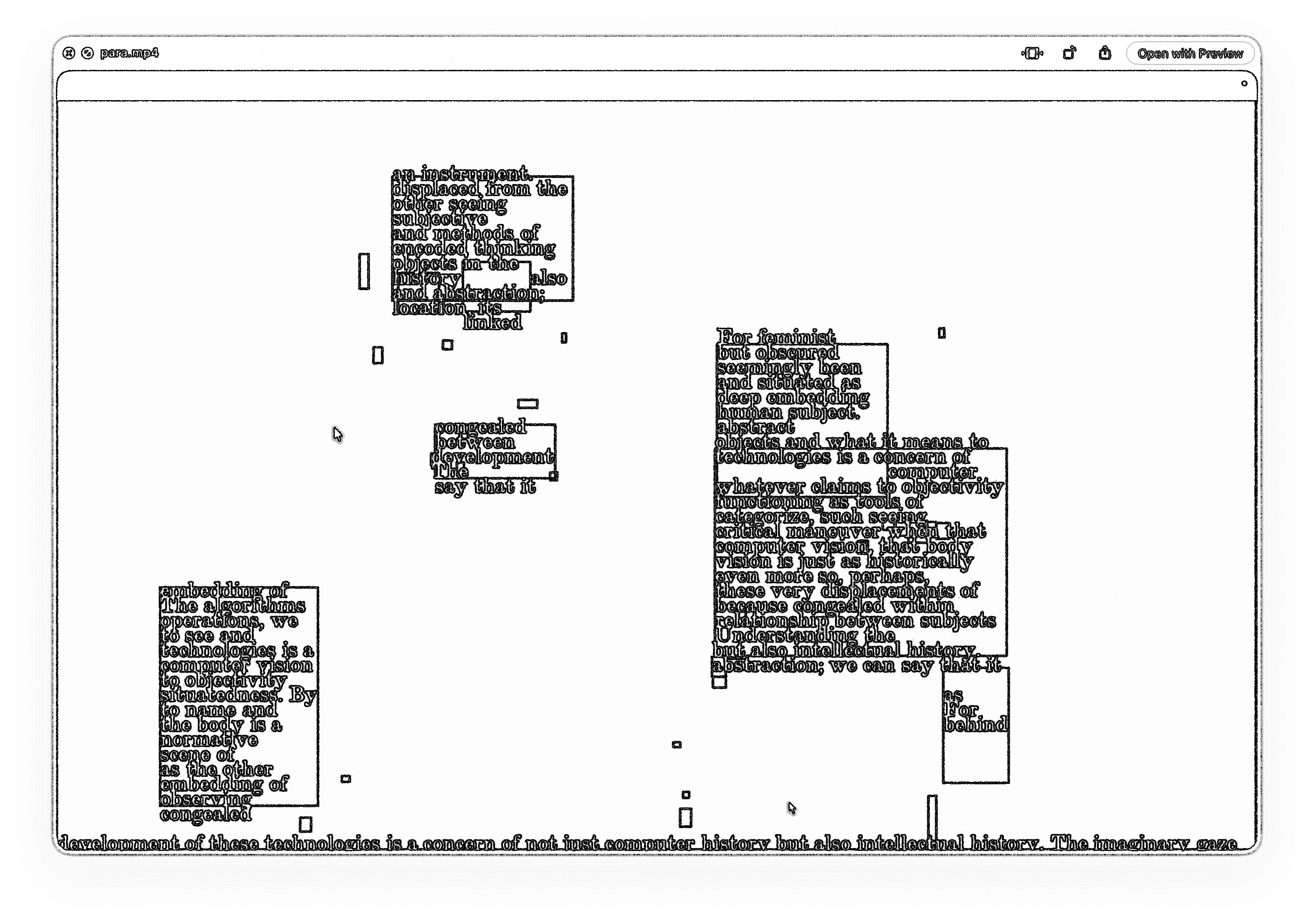
Bounds
Paragraphs of text are always framed by a bounding box. On default design tools, these boxes are rectangular and linear. This study uses the ever-morphing bounds of OpenCV edge detection algorithms as the new bounding box. What emerges is a generative layout system following the shape of the surrounding space, including bodies.
3
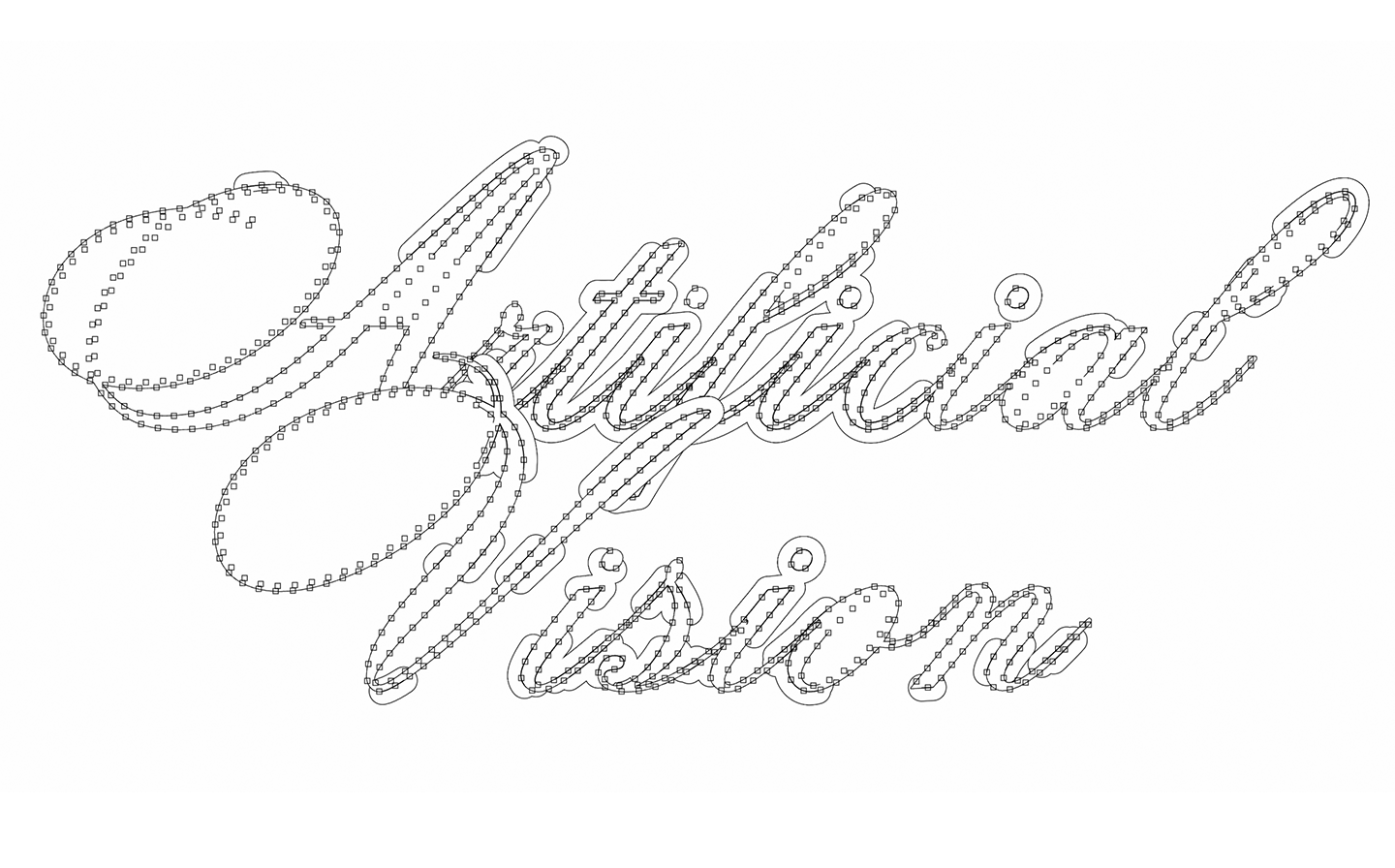
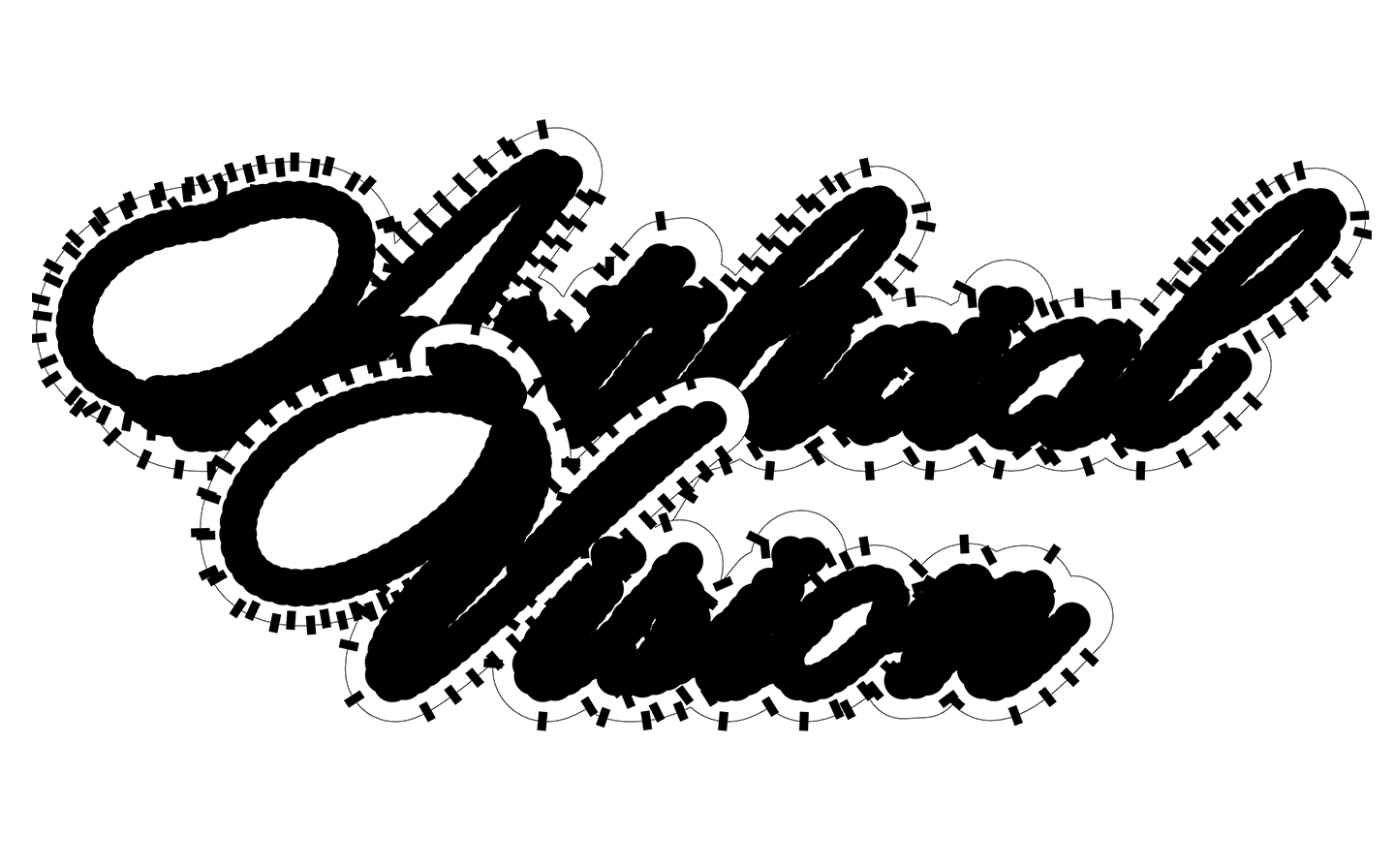
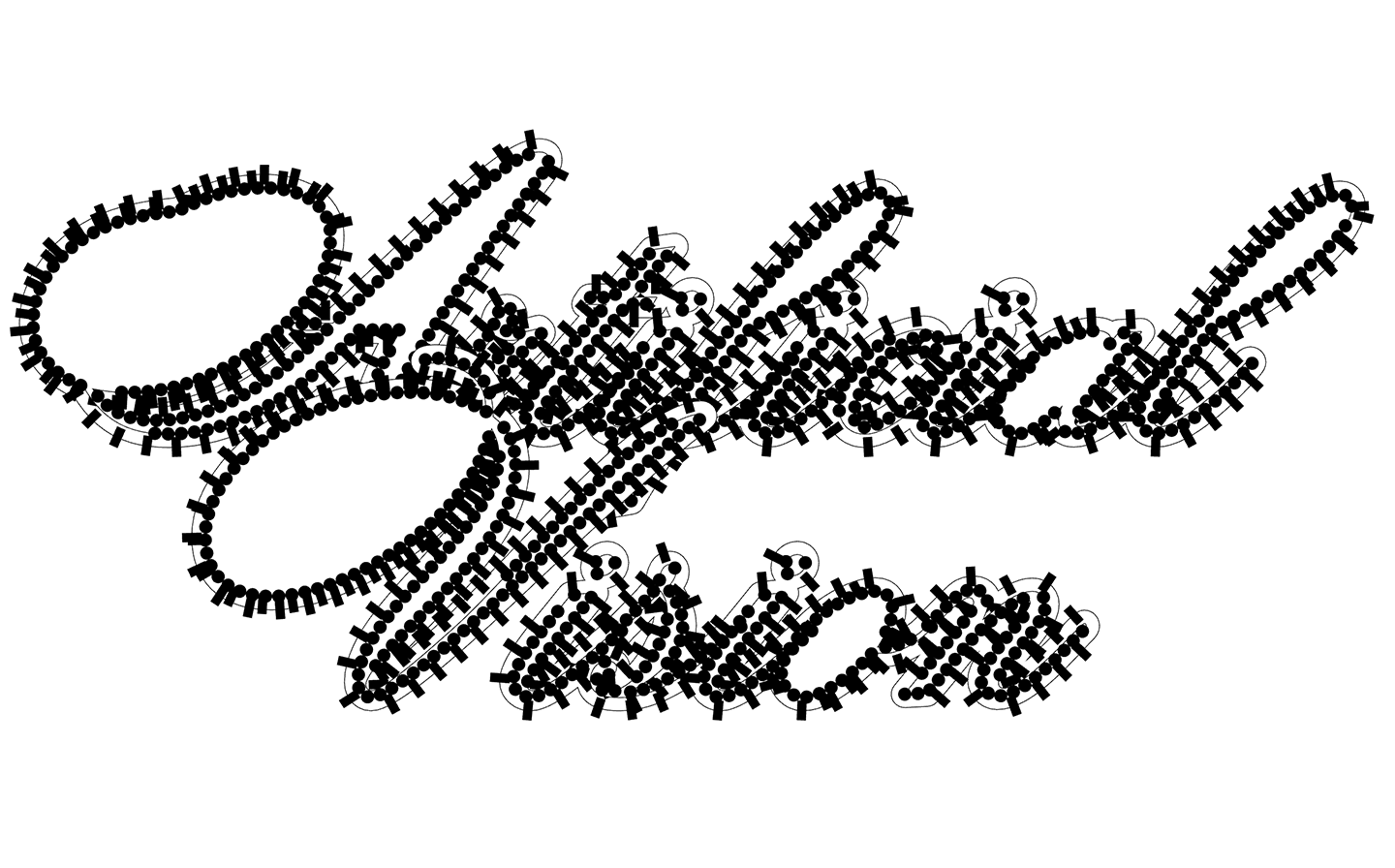
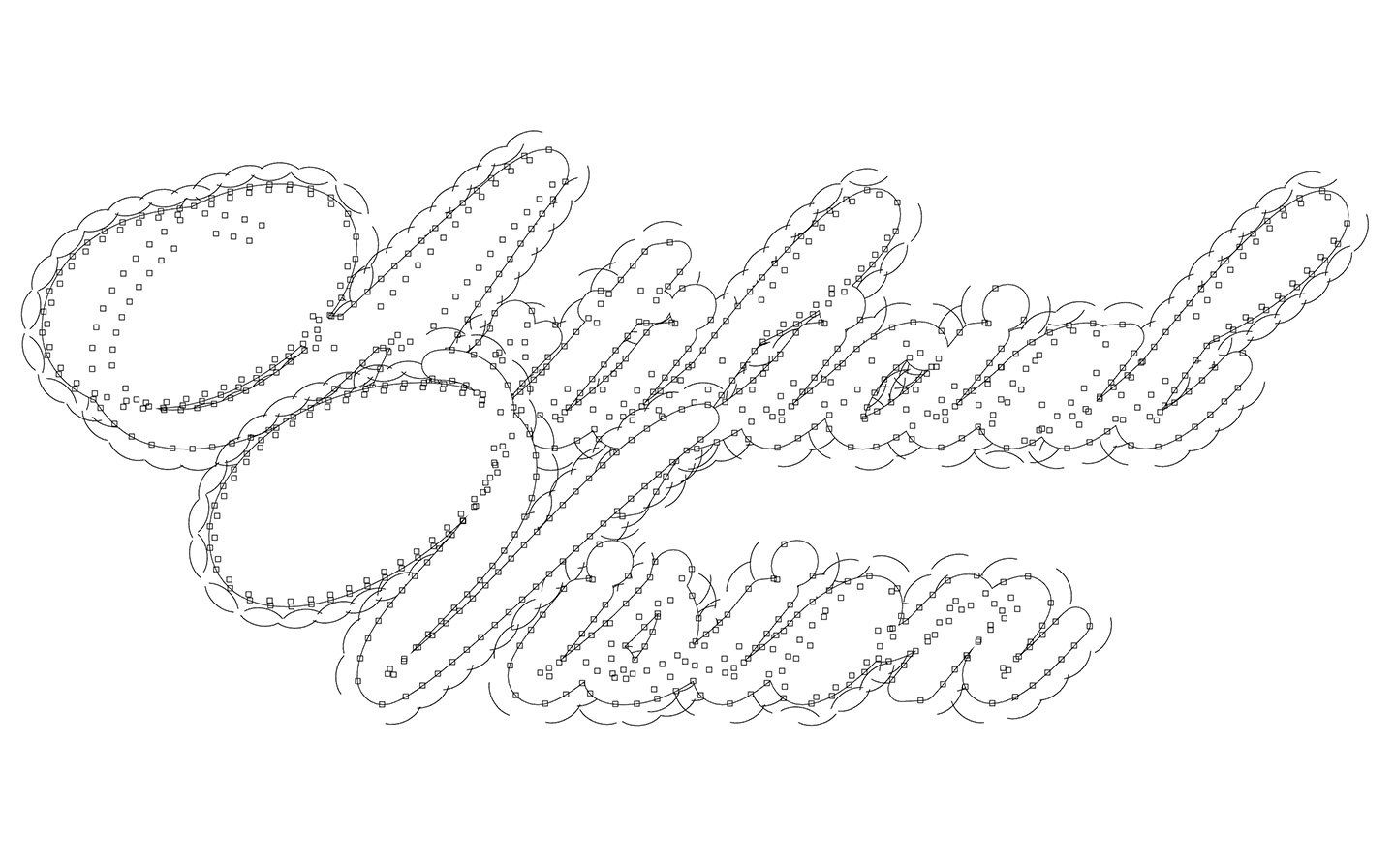
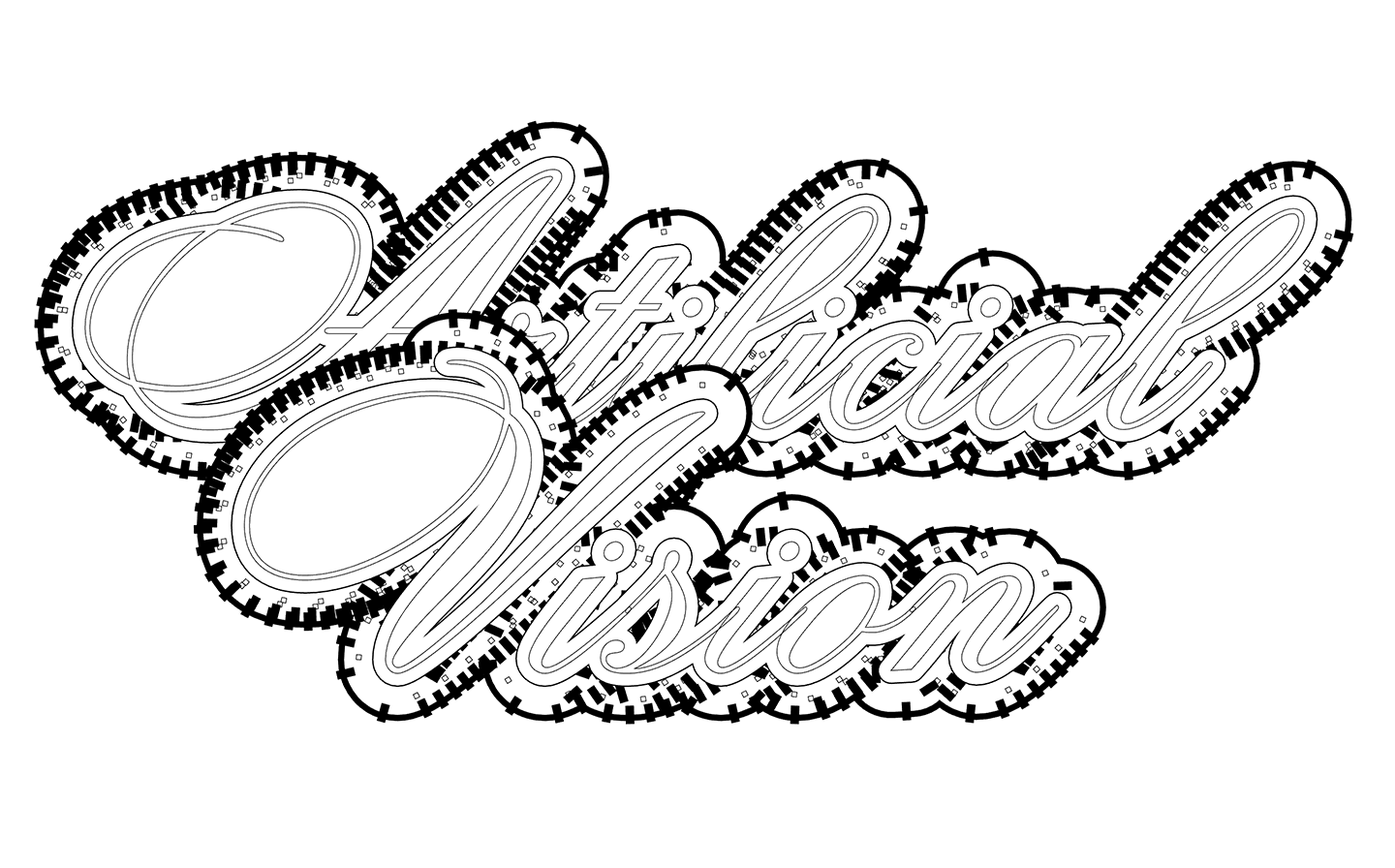
Ornament
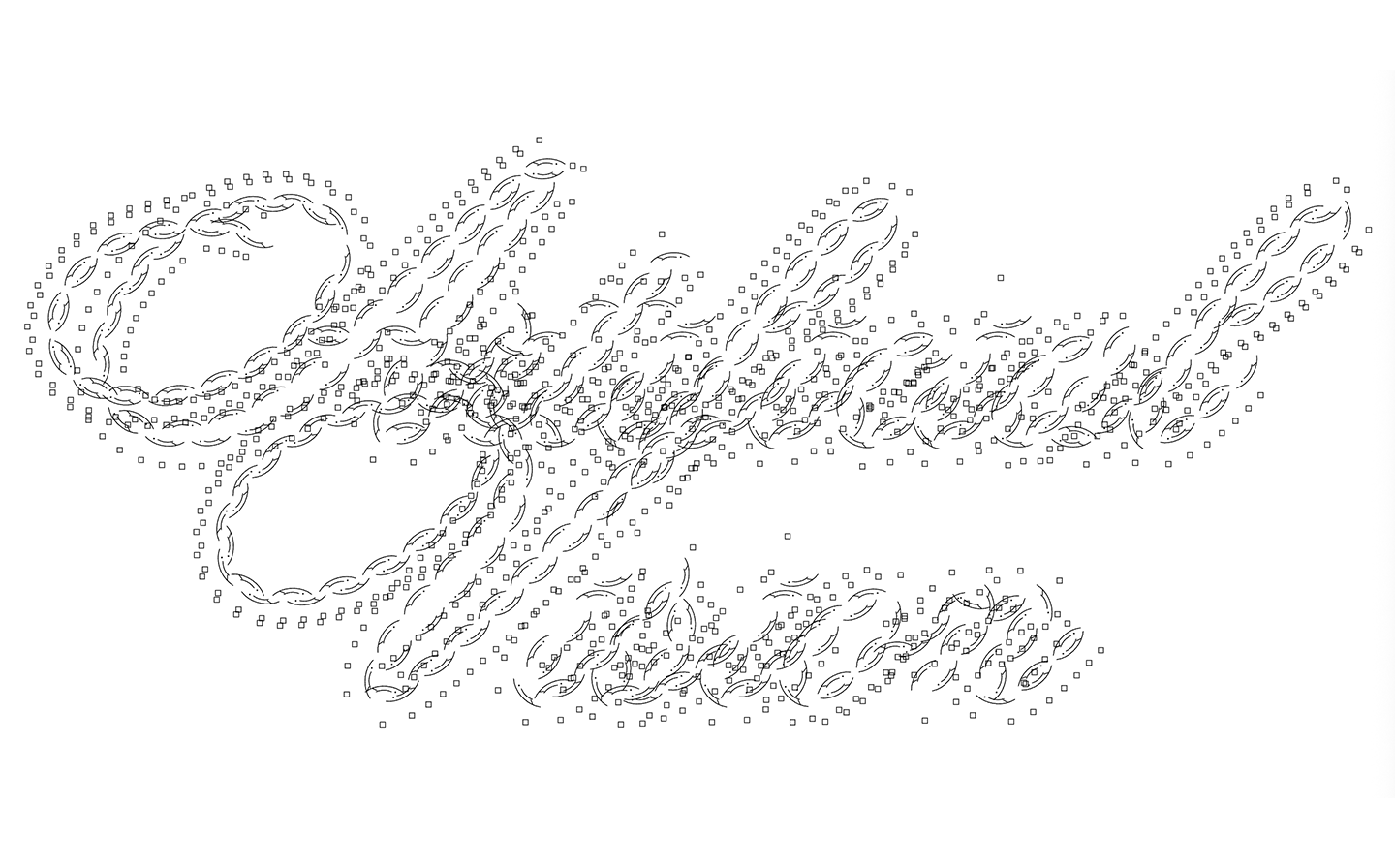
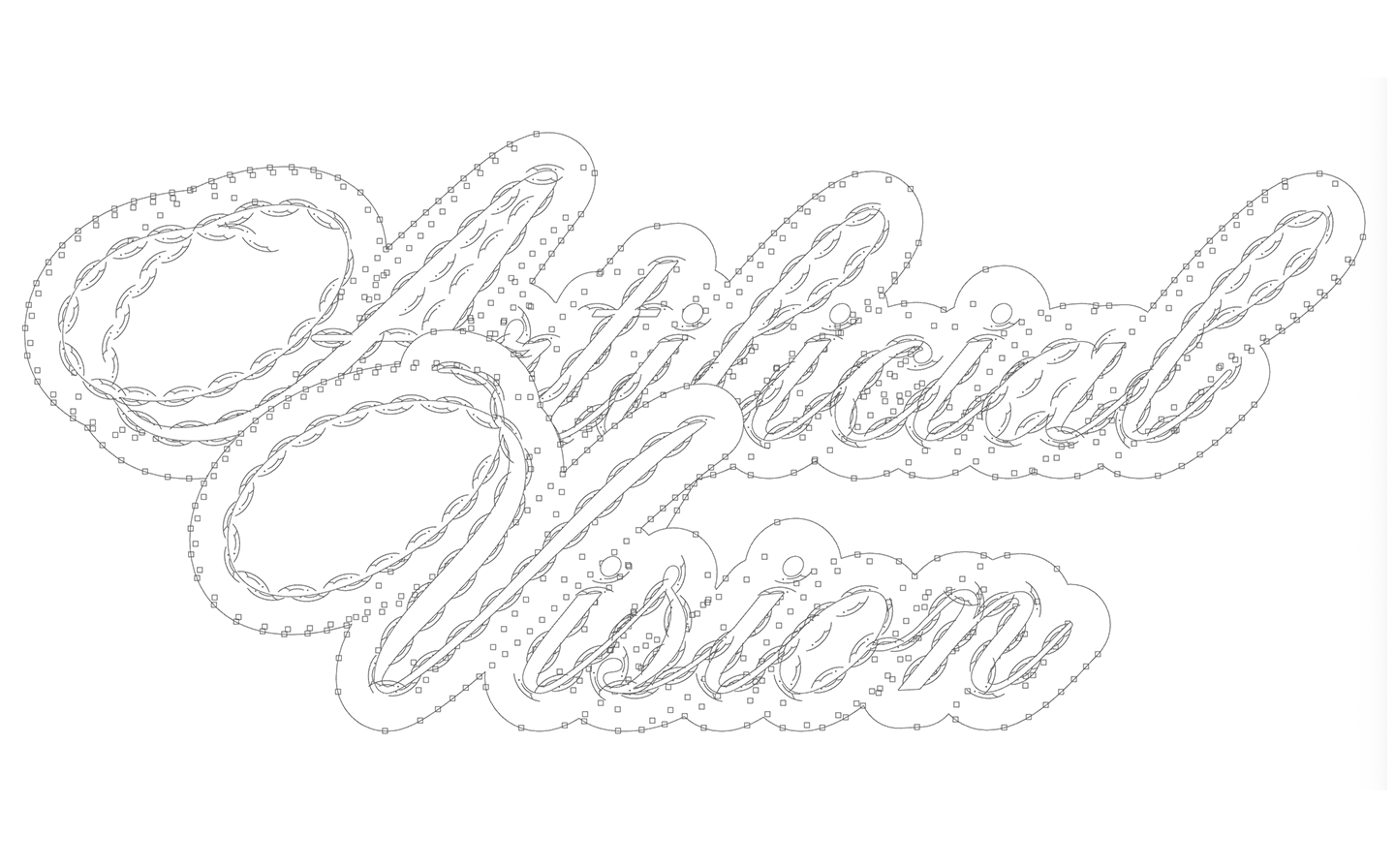
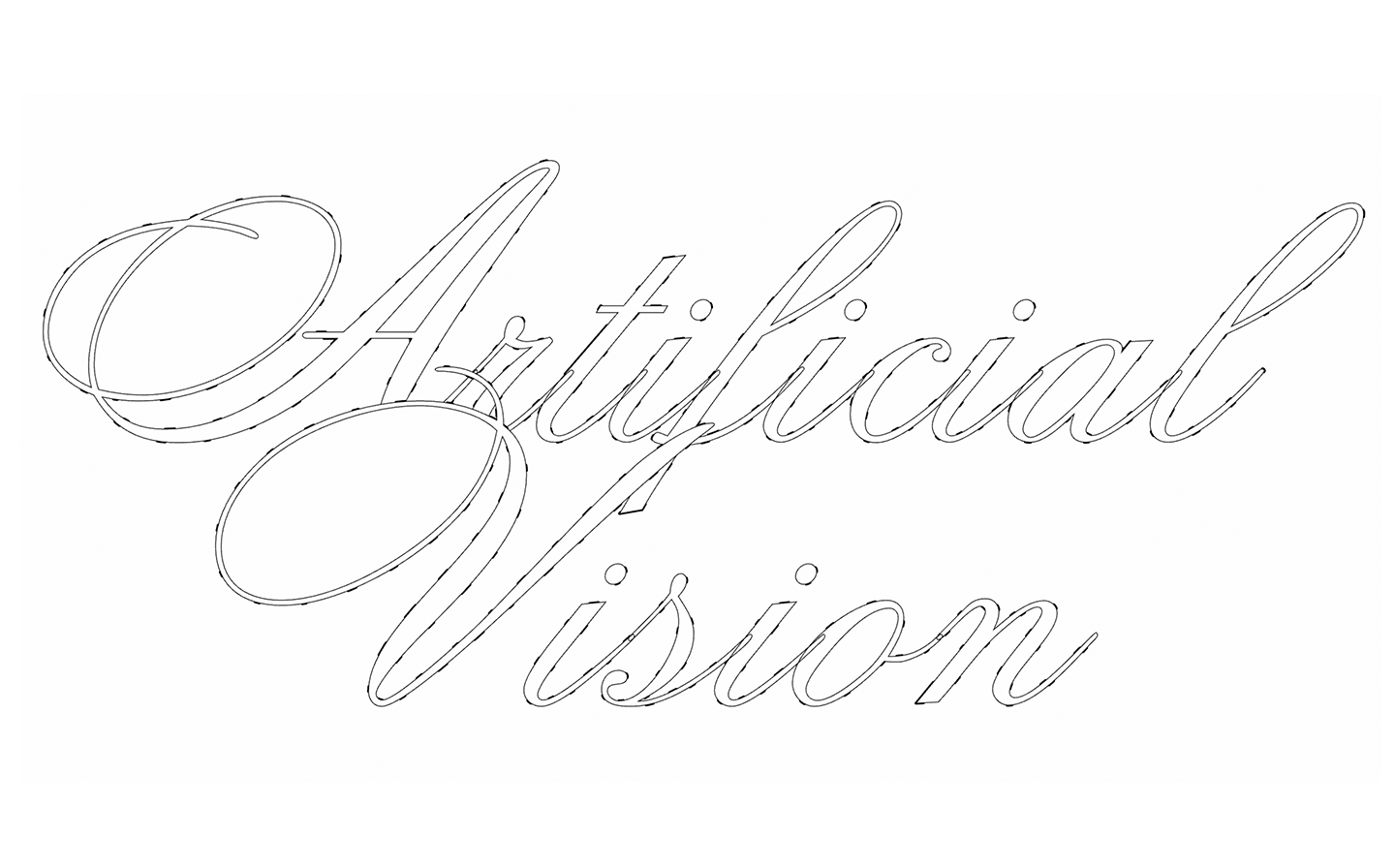
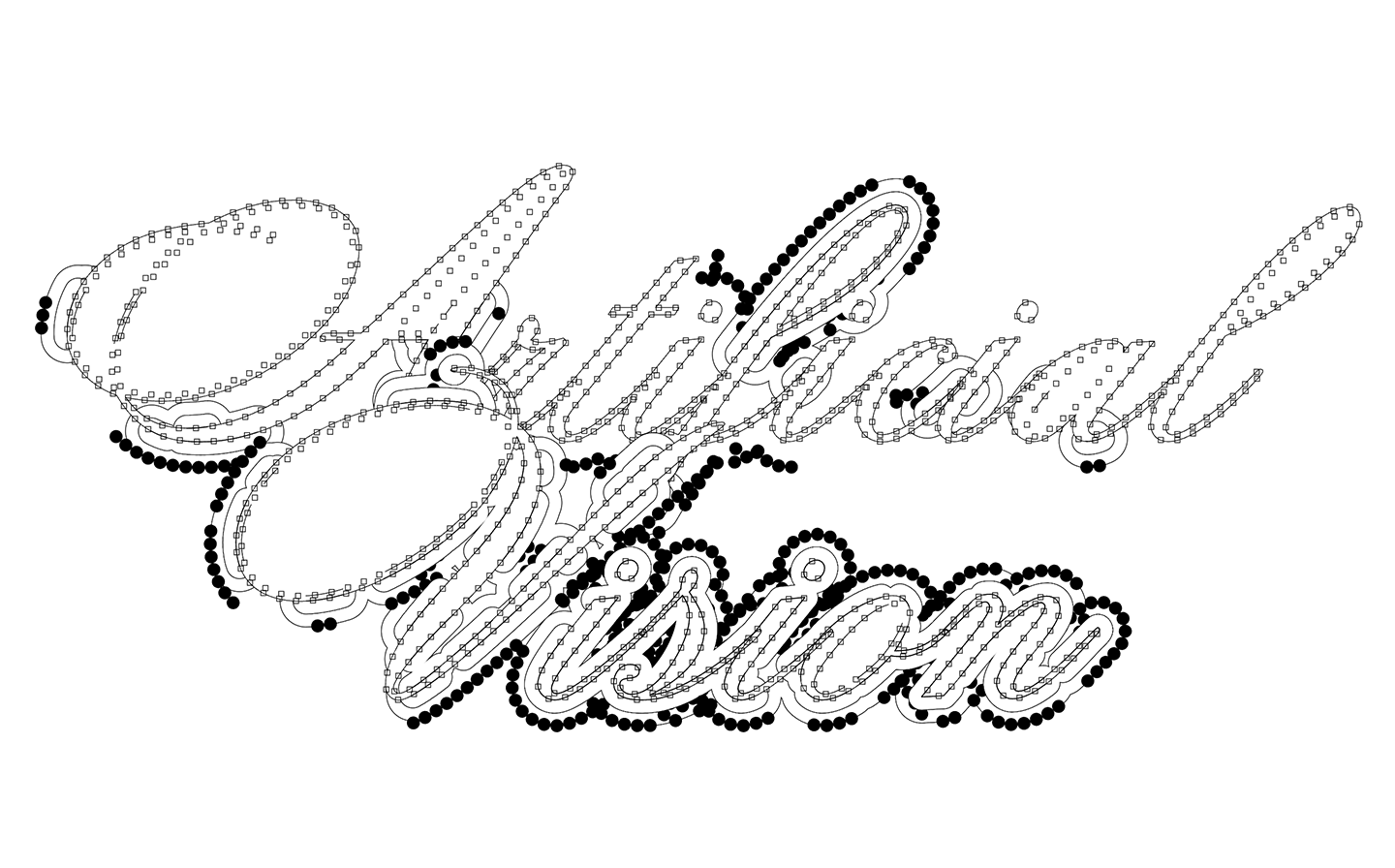
Including the visual language of movement notation systems into strokes for typography. Combining the geometric Labanotation symbols with the organic Beauchamp-Feuillet notation system.
4
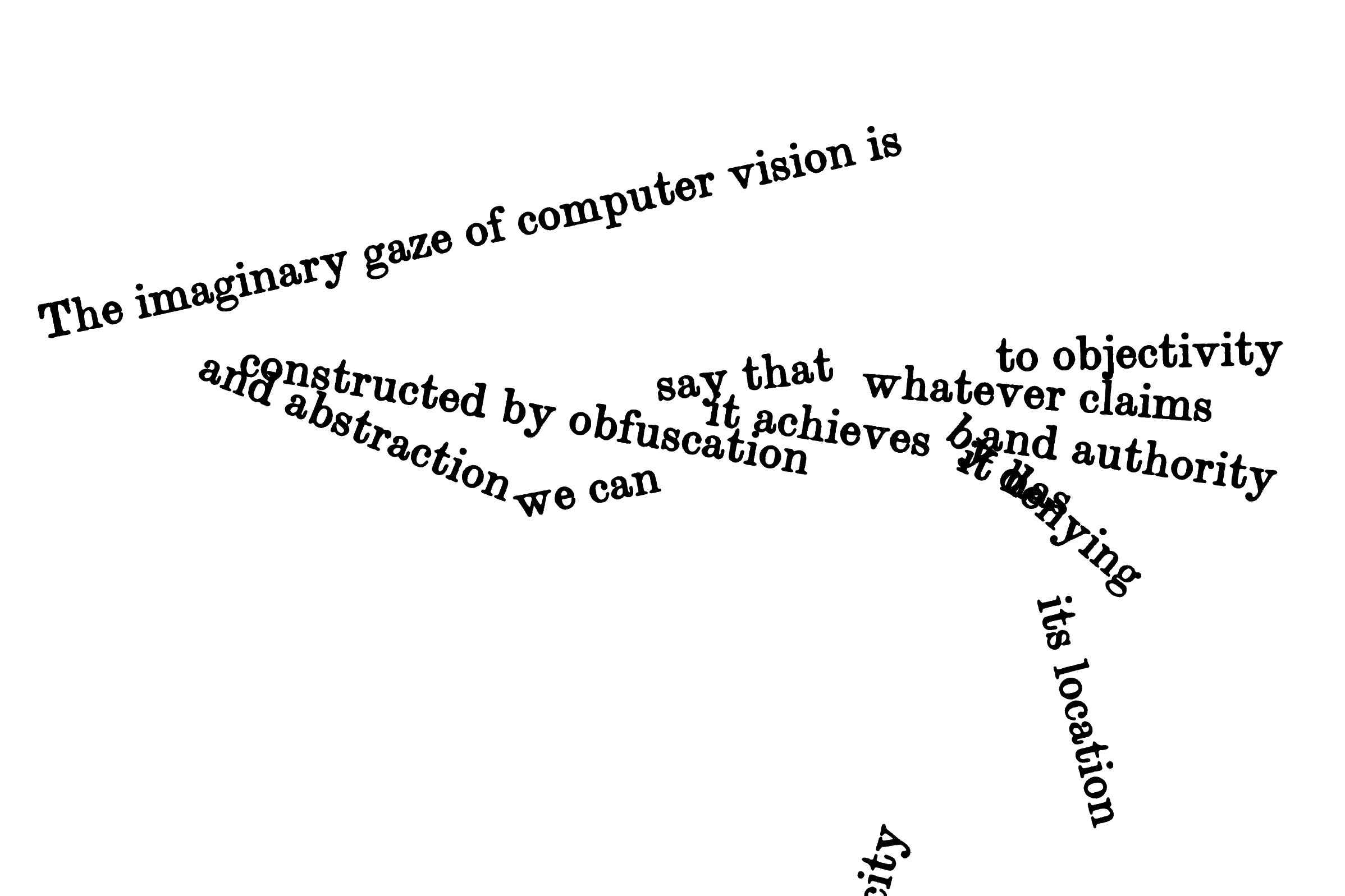
Angle
Shoulders offer a wide range of movement, and arms are a fixed length. I imagine the arm is akin to a composing stick in letterpress printing, and the shoulder controls rotation.
5
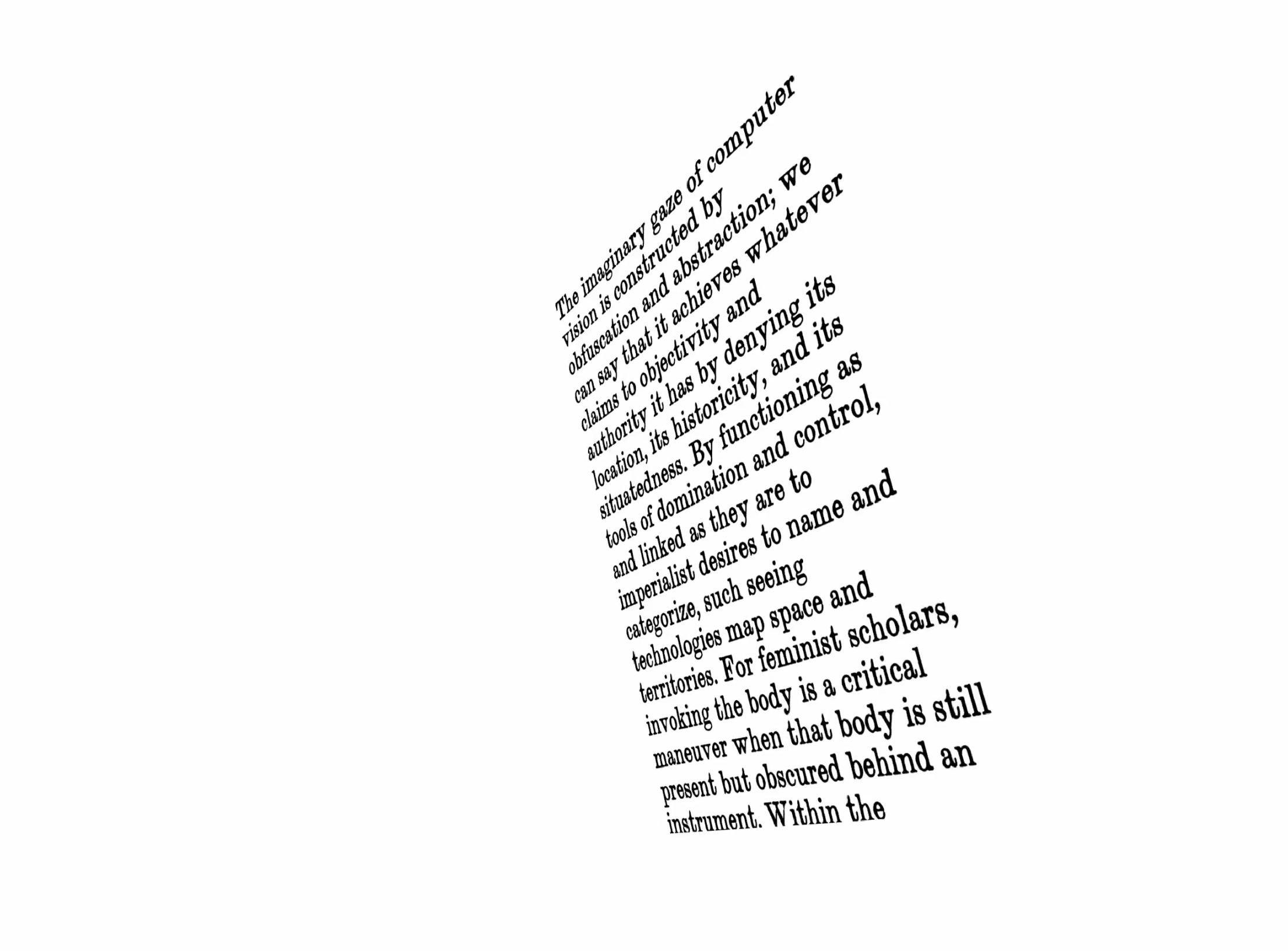
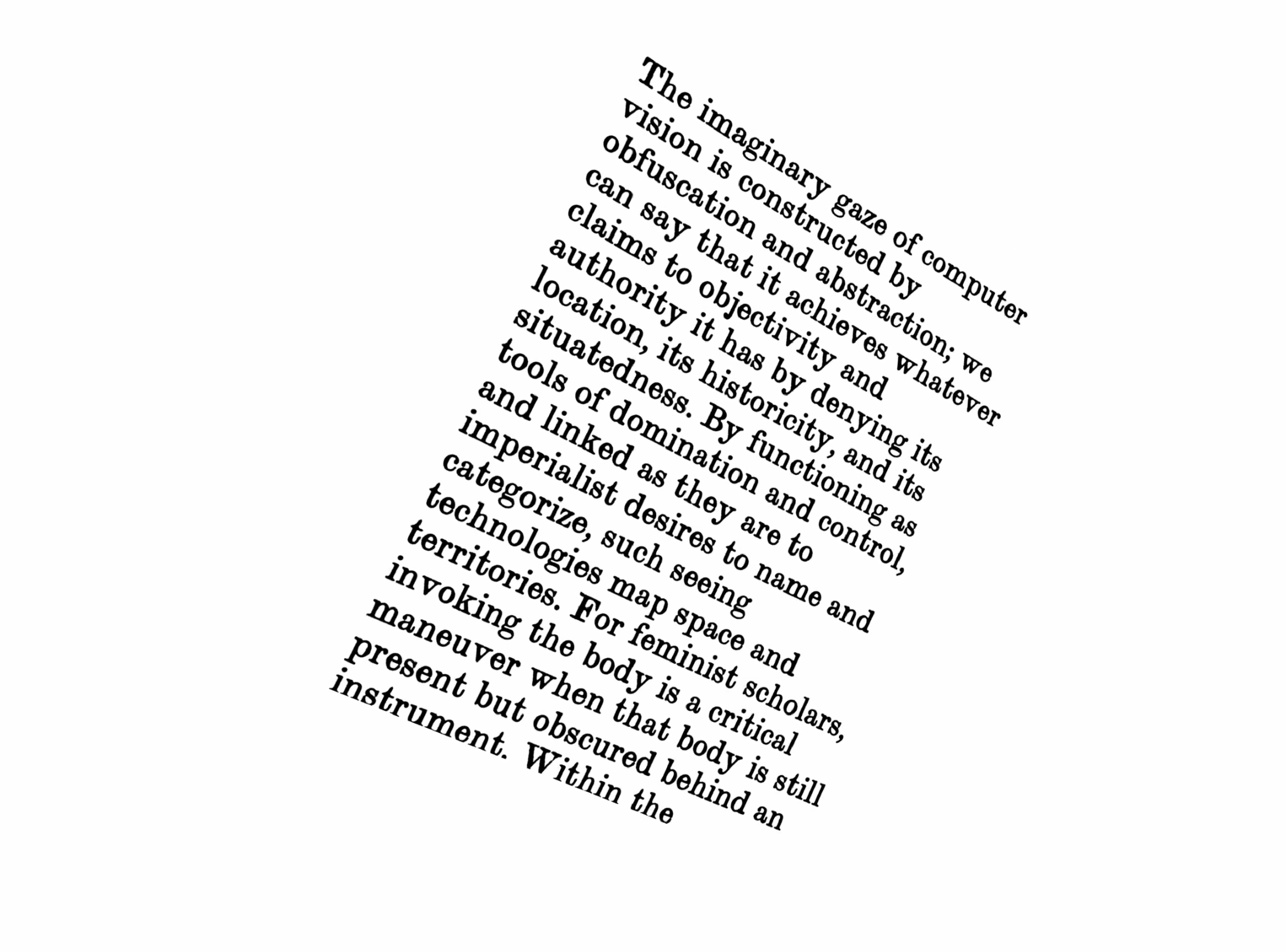
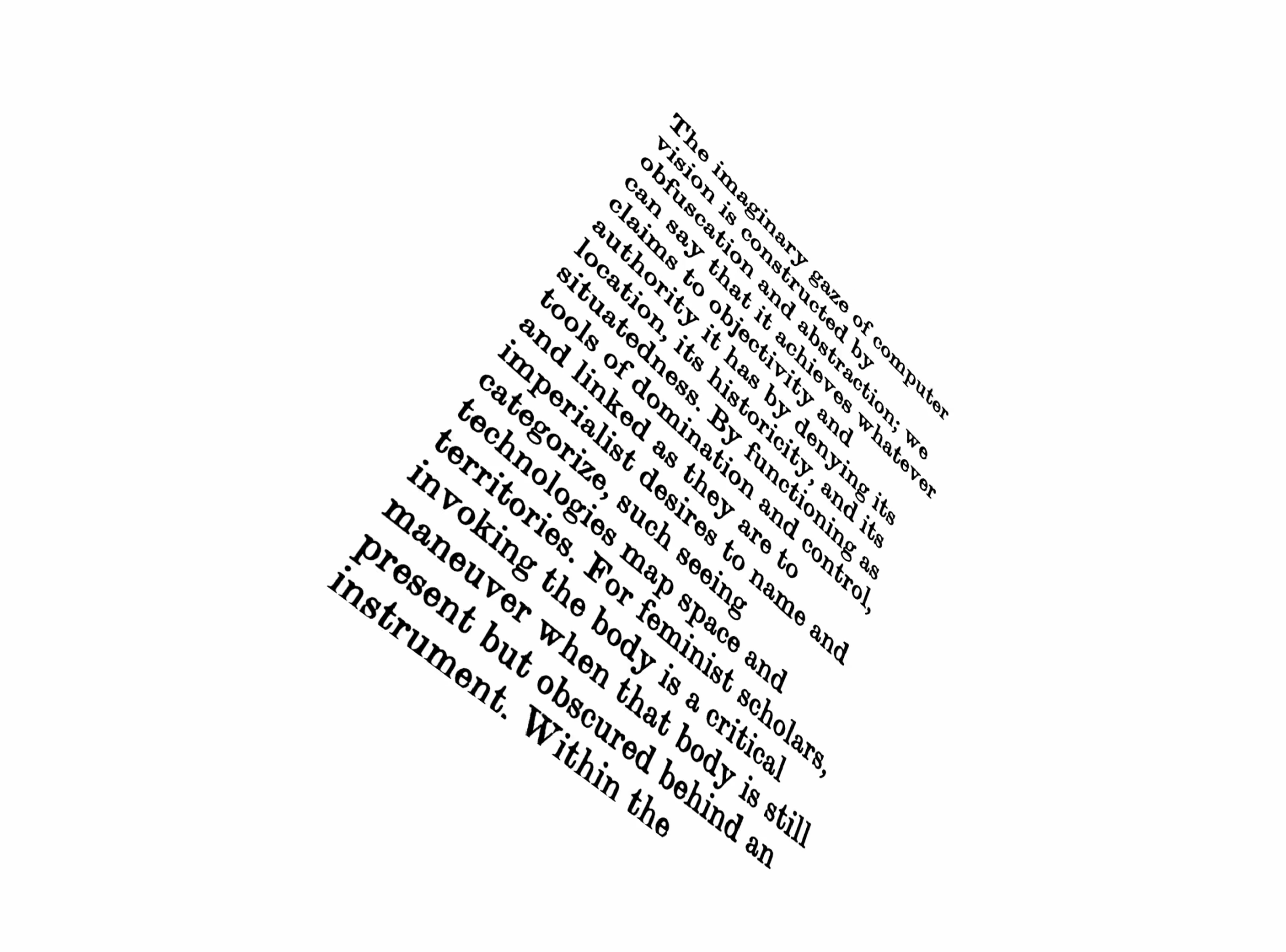
Skew
Creating spatial typography by rotating planes of a body.
6
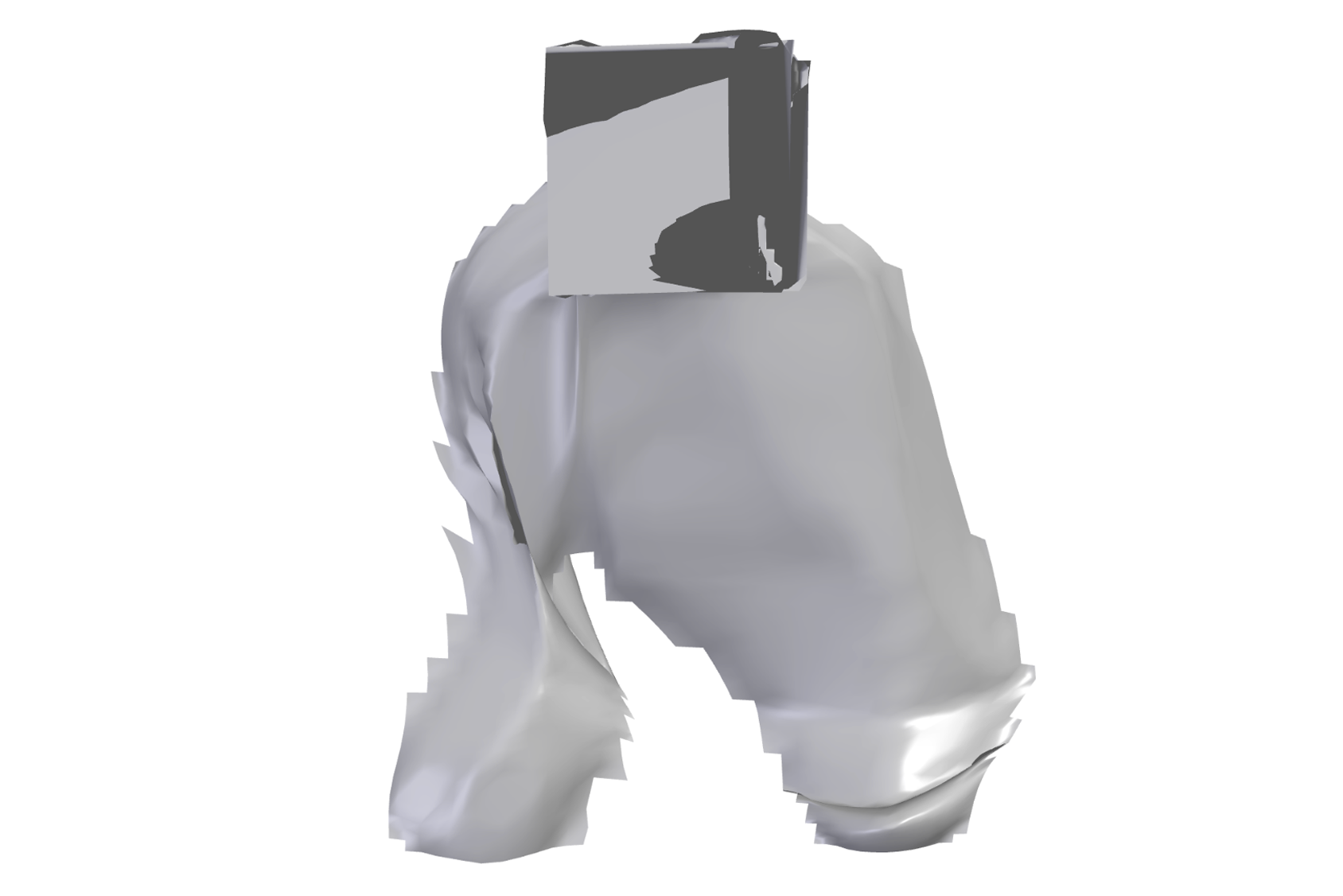
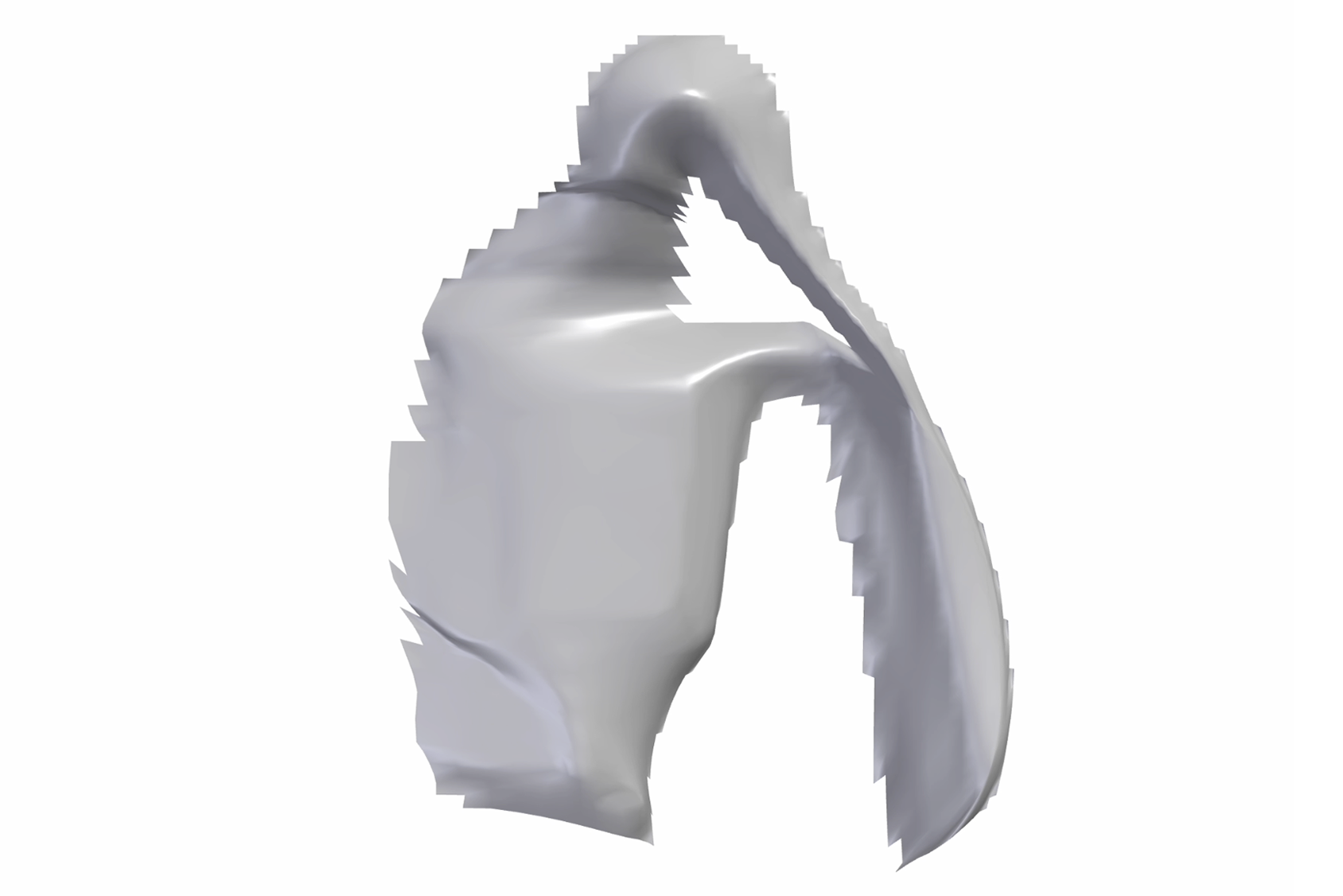
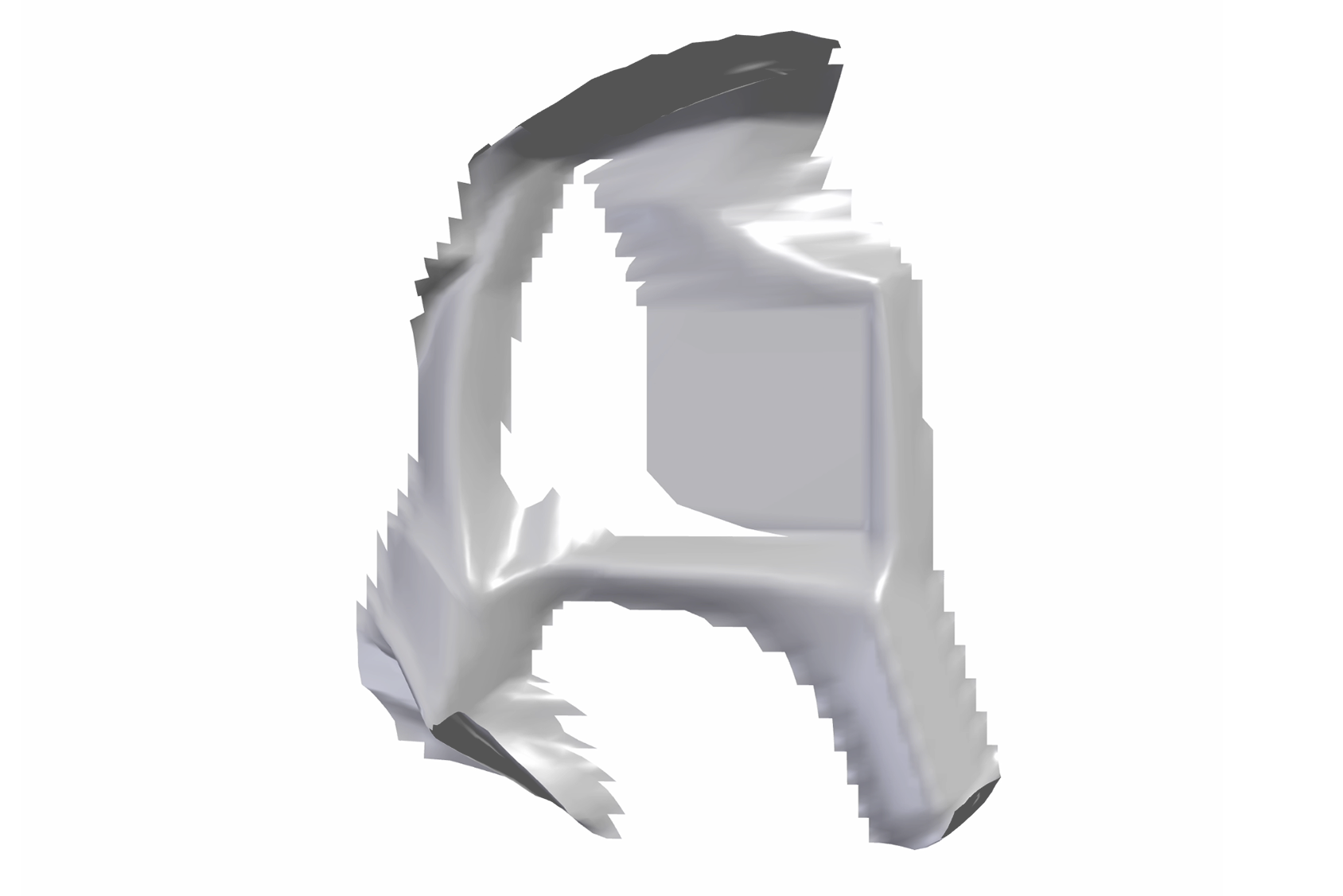
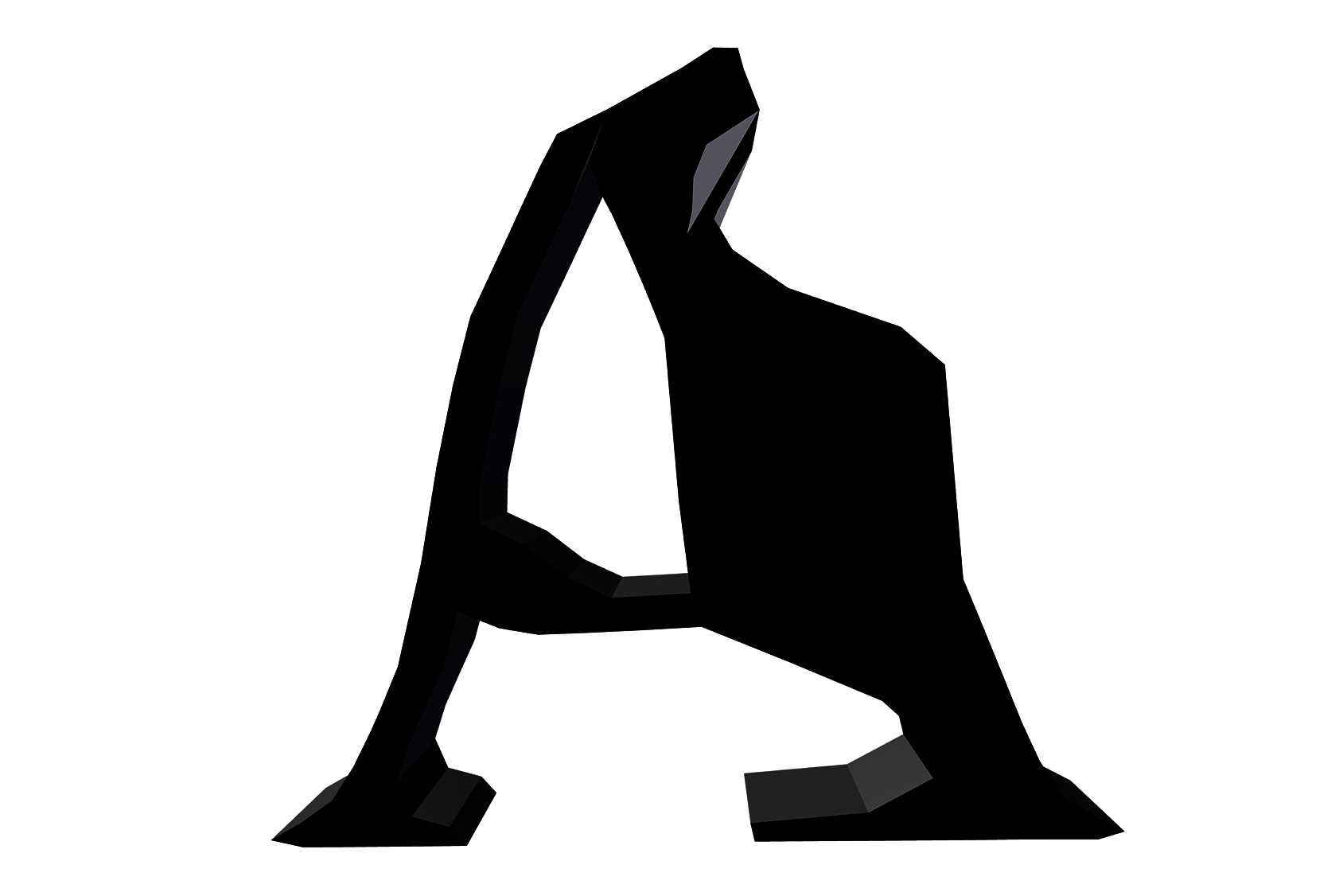
To Mold
Hands type, hands swipe, hands click, hands press. The potential range of choreographies with computers for our hands are quite limited. I apply molding gestures to typographic form. Despite the continued immobilization of the spectator, I focus on the freedom in the movement quality itself.
7
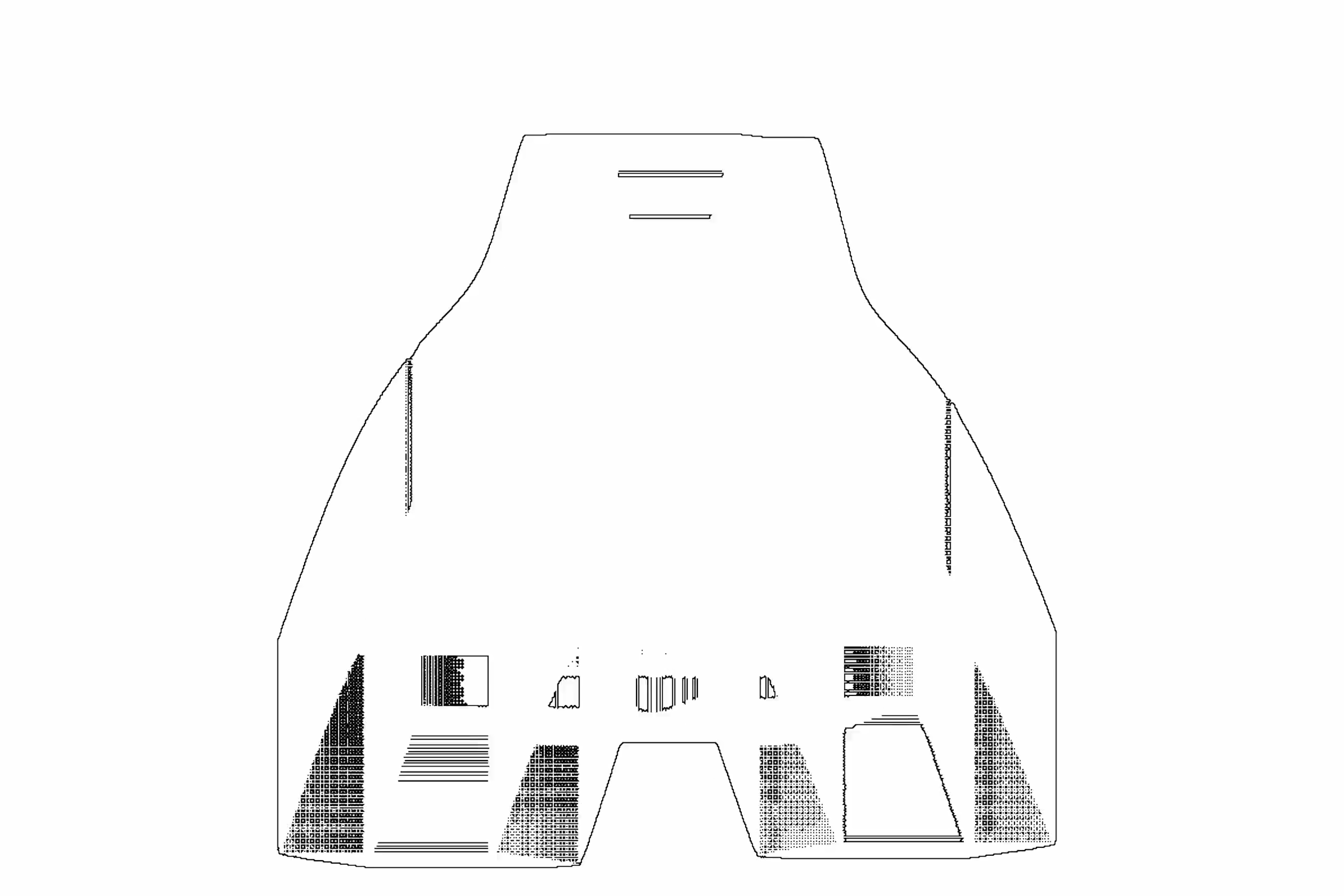
Contour_2
Re-enacting a generated text prompt for choreography with the letter A. Machine-generated movement was read back into the machine, with only a moment of friction in my re-enactment. This in-between space has further potential but I did not see enough room for human expression.
8
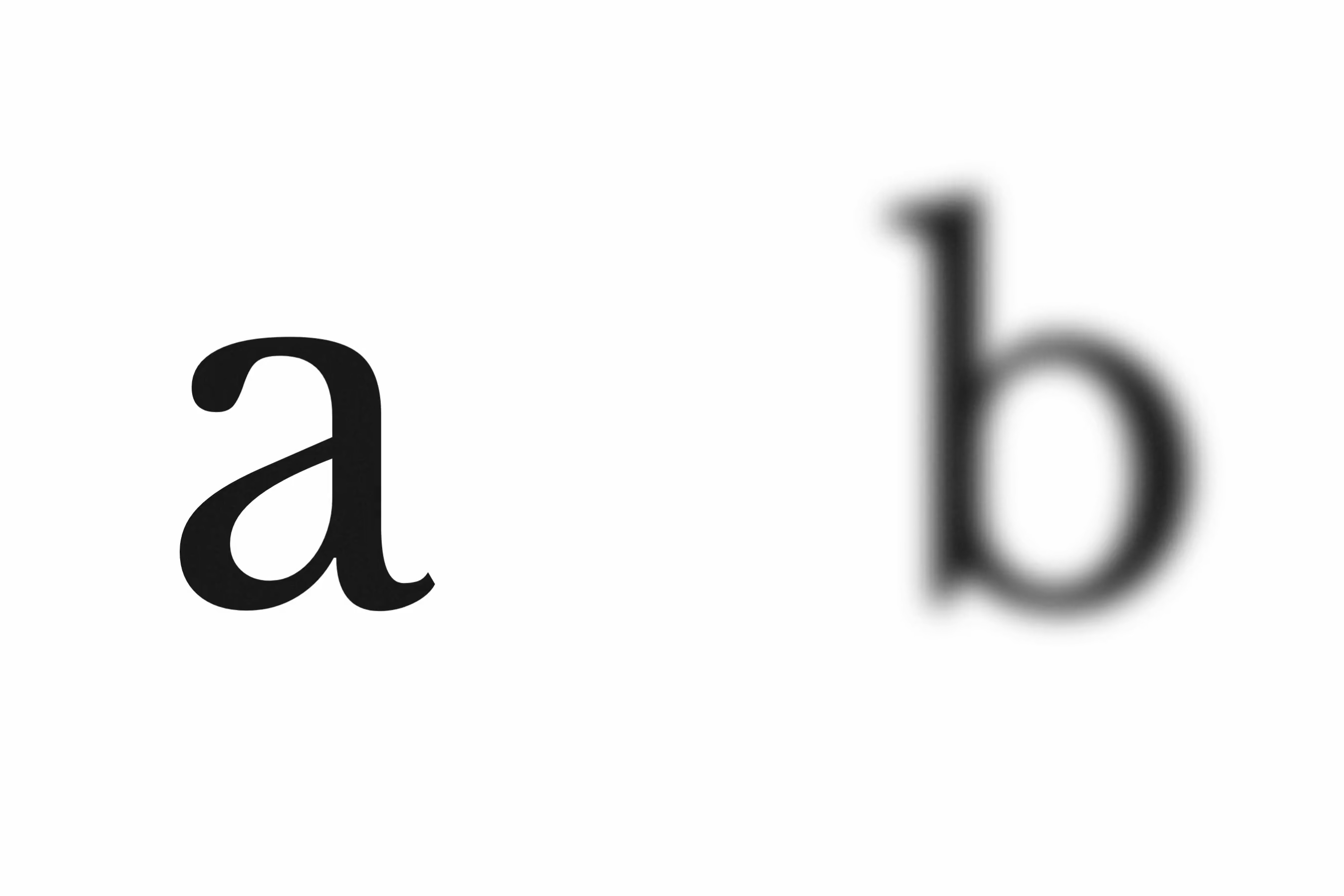
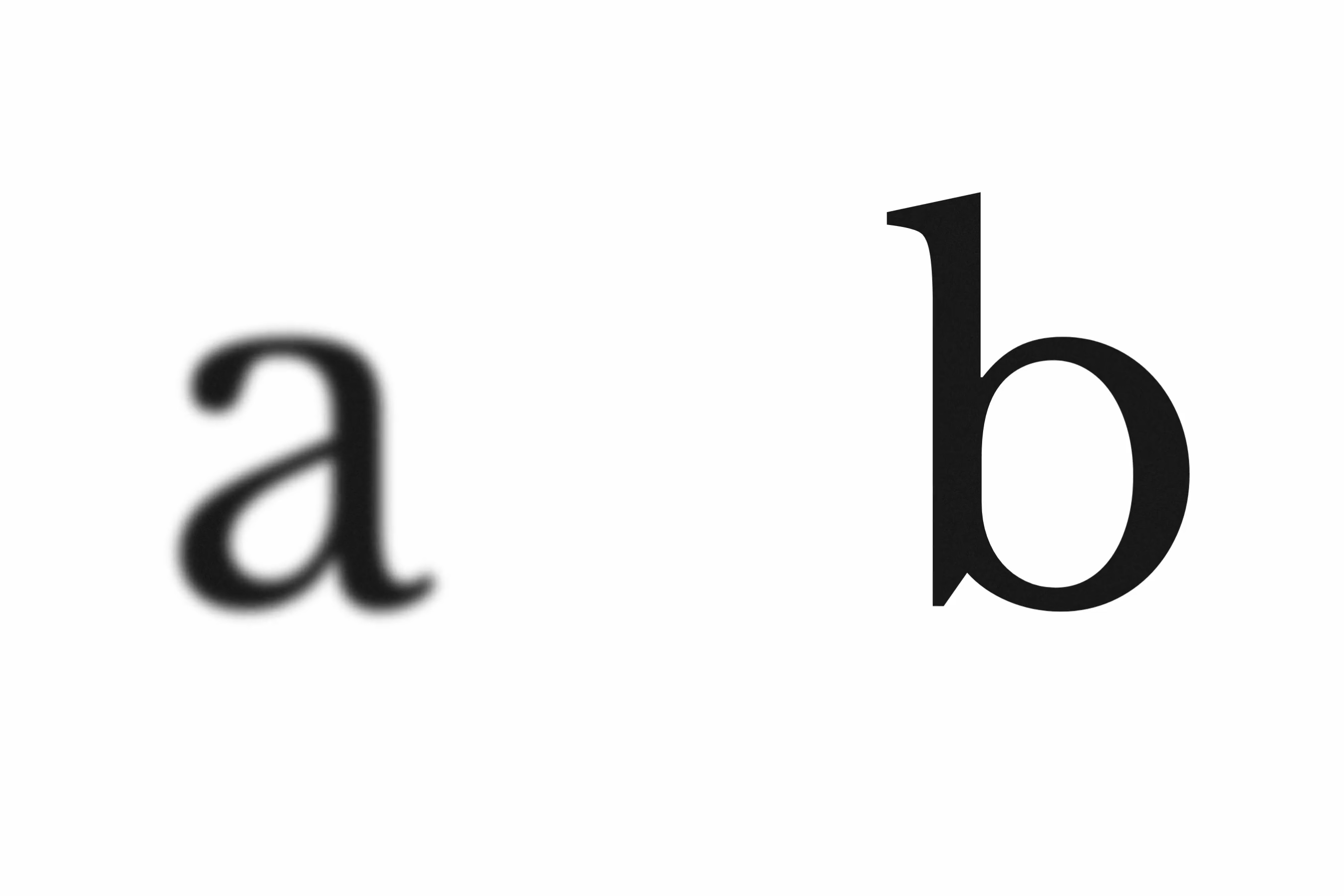
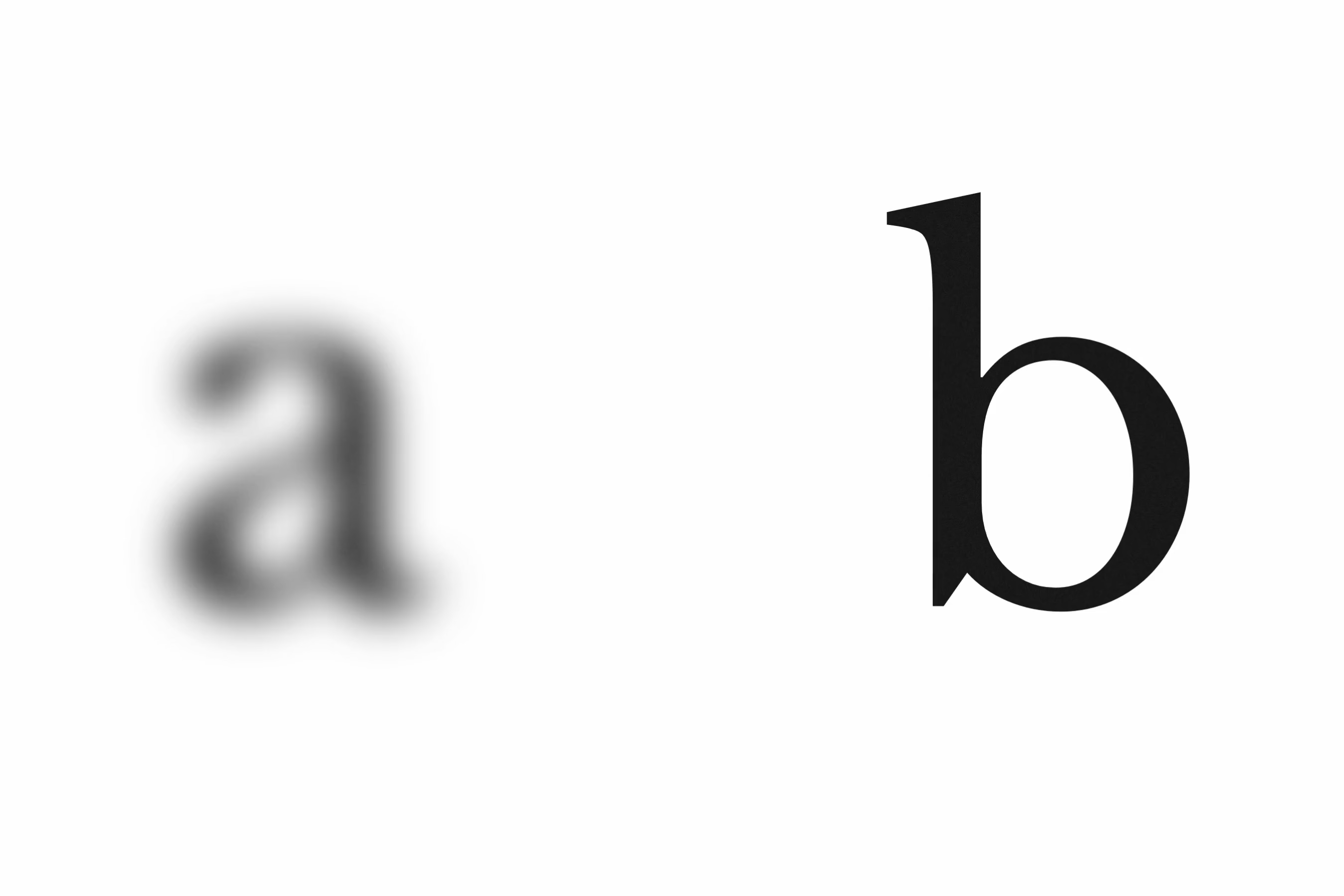
Focus
Eyes already share a history of interfacing with computers. Eye gaze tracking is an objective measure of hierarchy, efficiency and seamlessness in user interface testing. I subvert the typical position of eyes as followers and use eyes as initiators in this experiment. The layout is clear in the area of focus as other content on screen fades into the background.
9
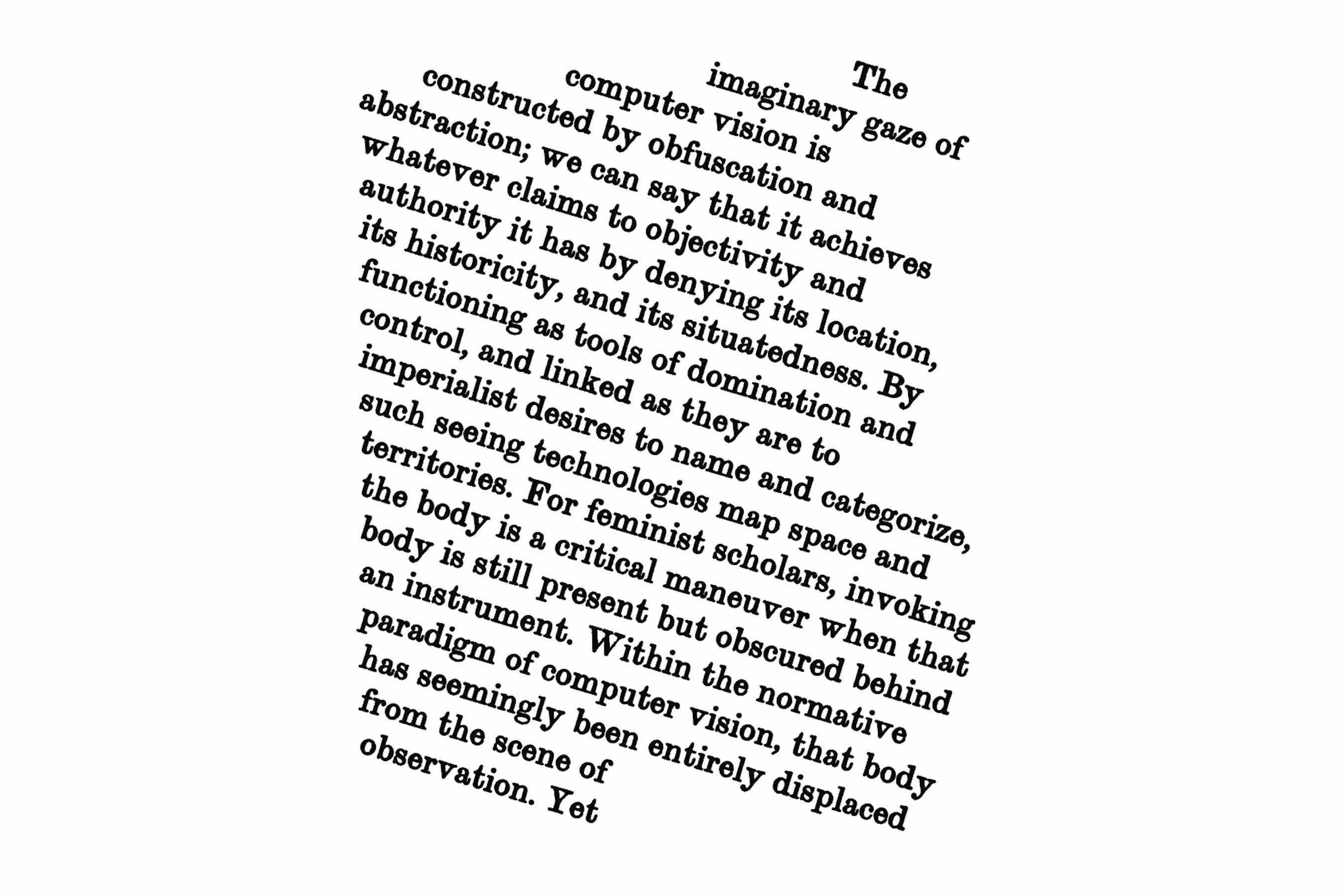
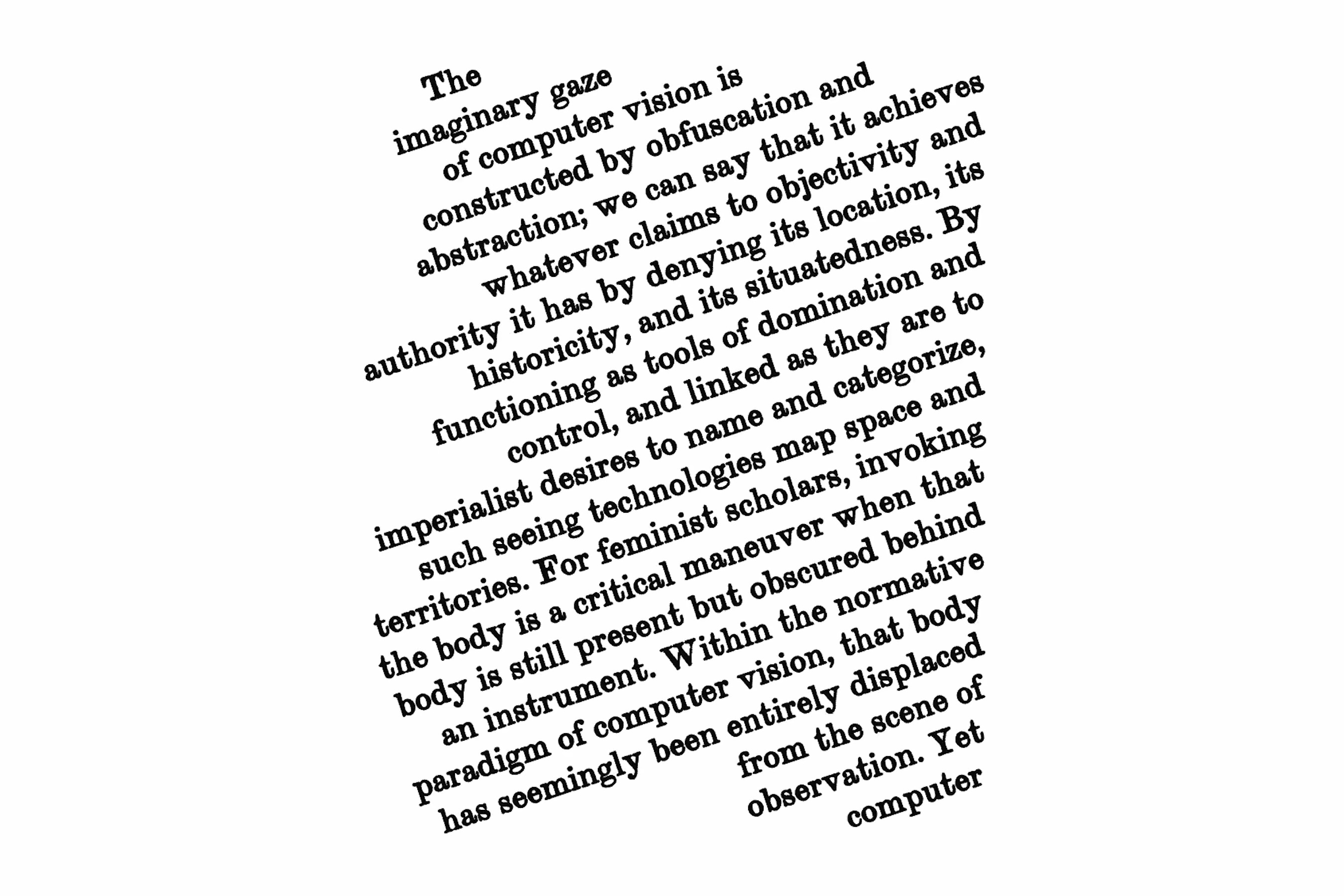
Tilt
How may text be responsive to a person? Text tilting with the angle of one’s head both makes for easier reading and returns awareness to our bodies.
10
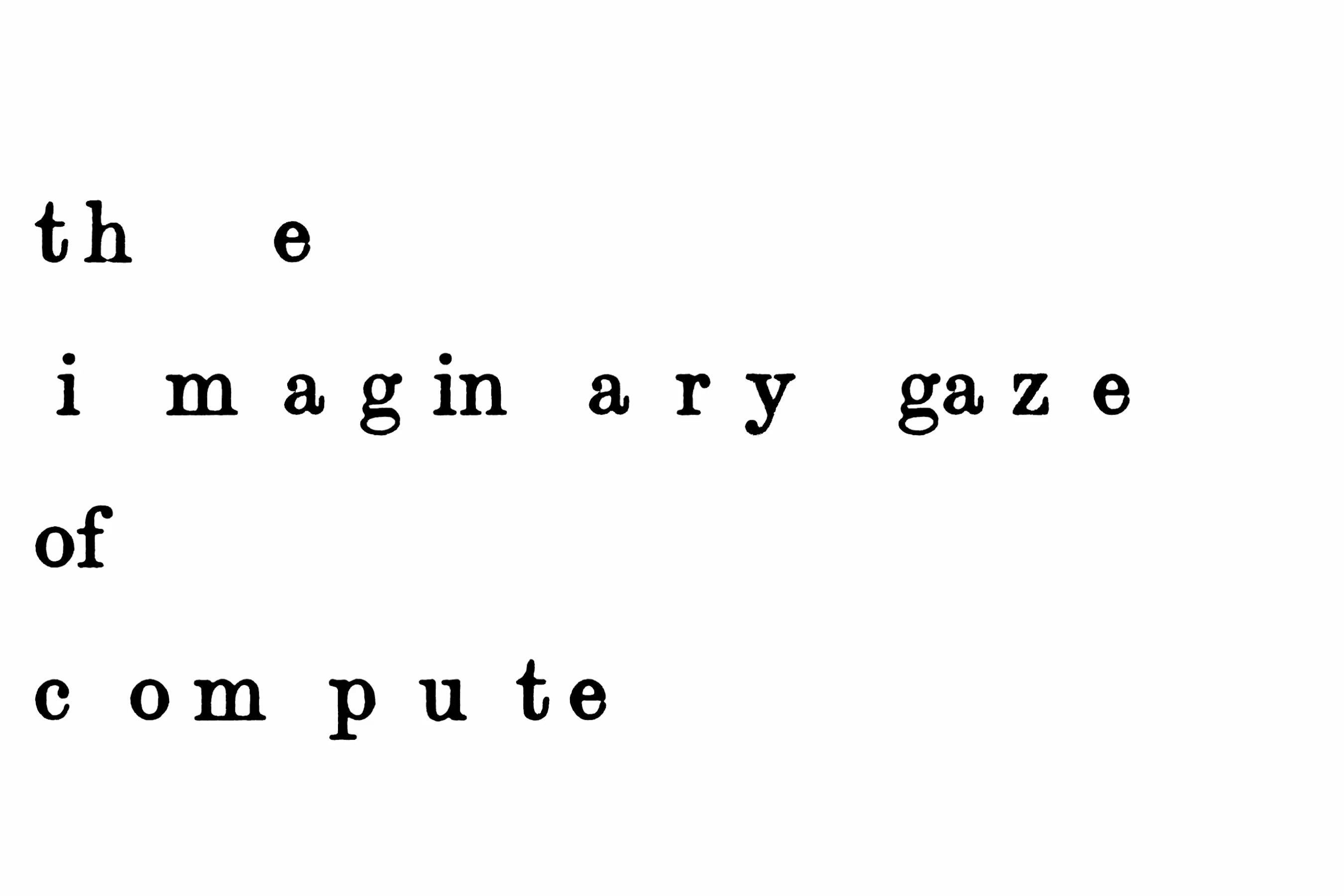
Spacing
Footsteps denote a space between two feet at varying widths with a pre-defined maximum space. I connect this space to the space between letters. The width of a footstep may change the relative position of a character on the horizontal axis.
11
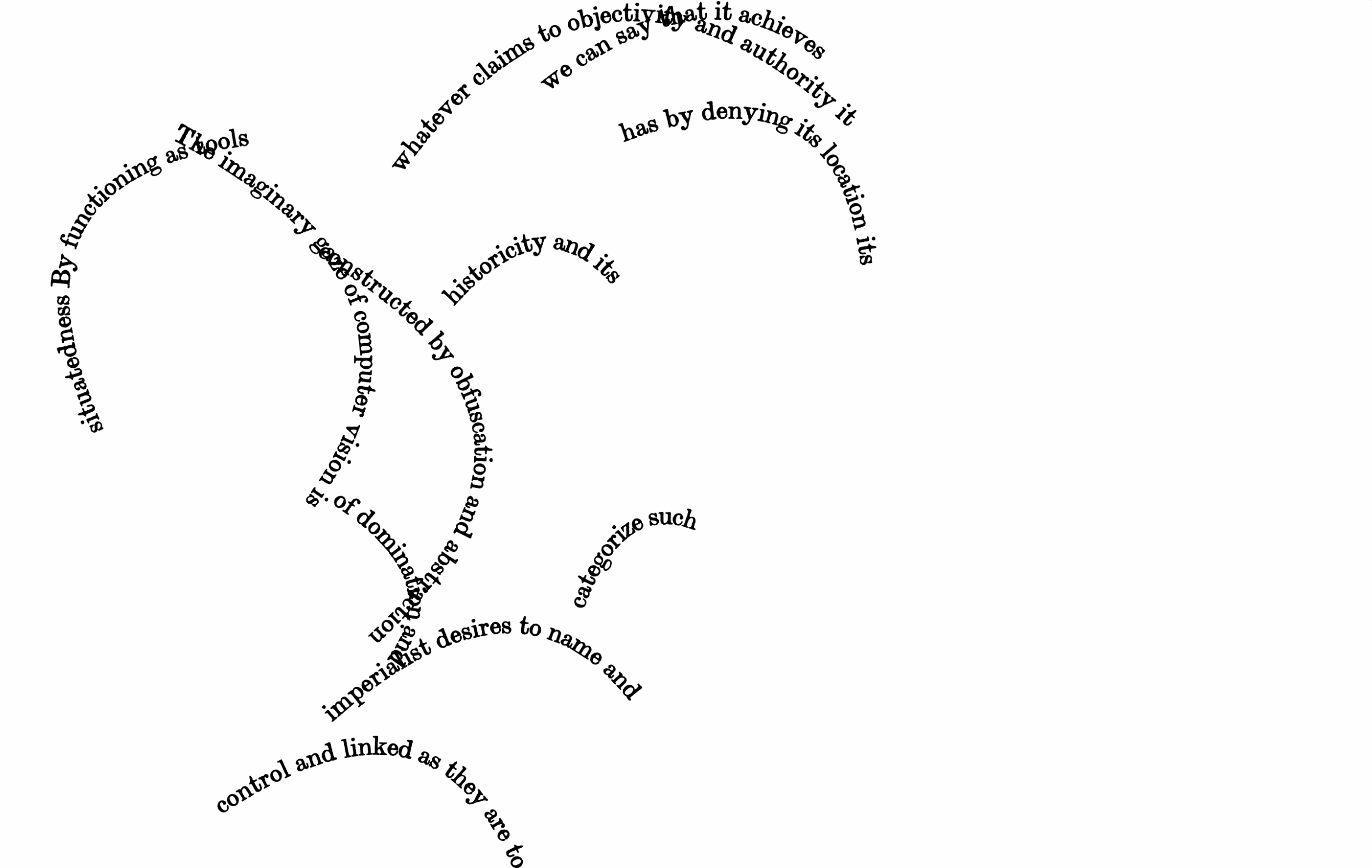
Perspective
Often viewed from a bird’s-eye angle, computer vision footage has a hierarchical viewpoint with undertones of authority and domination. I use this camera angle to create the next experiment. The floor becomes a pseudo screen and I orient on a horizontal axis, performing choreographies about the floor. I am functionally invisible to the computer’s webcam.
12
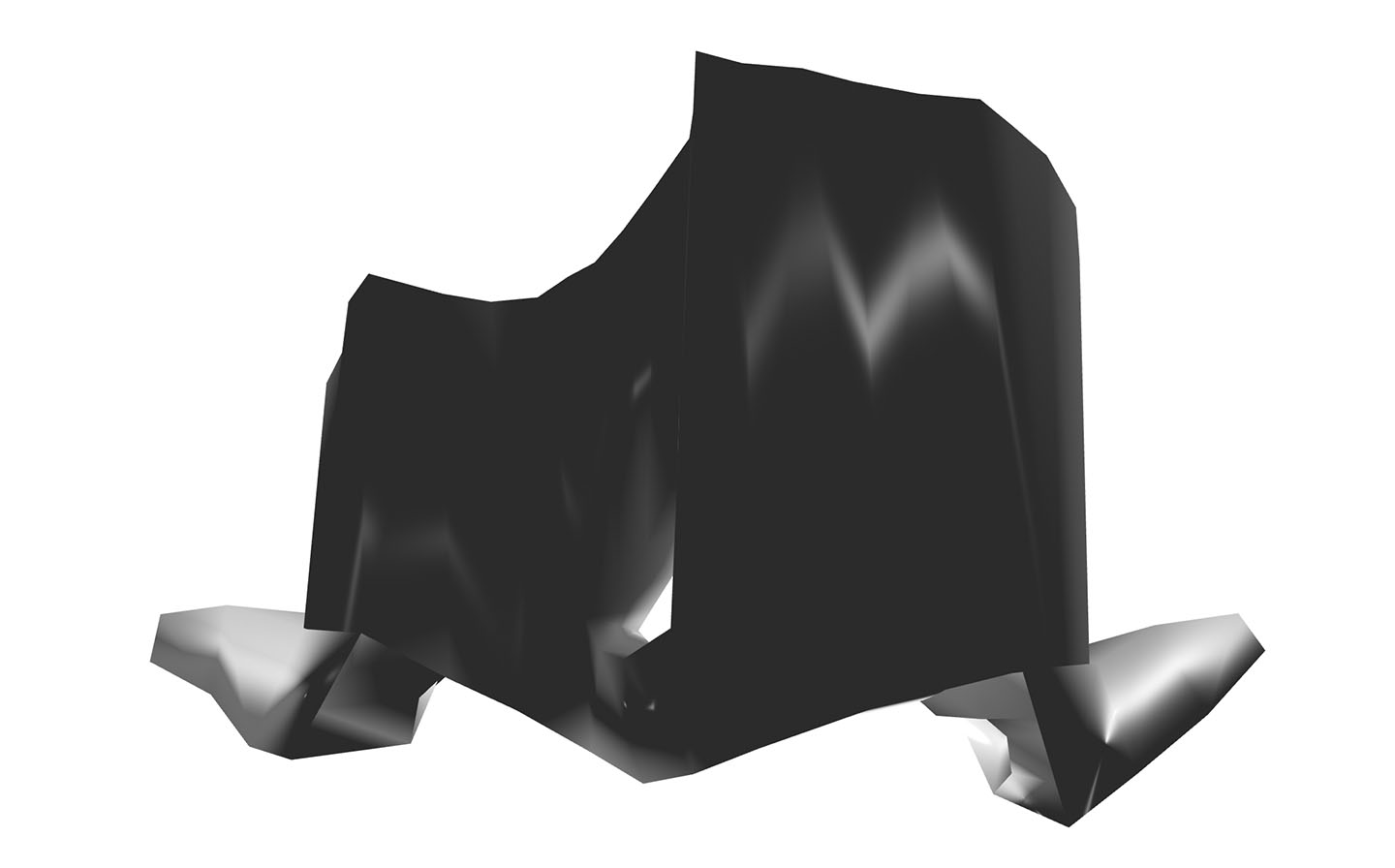
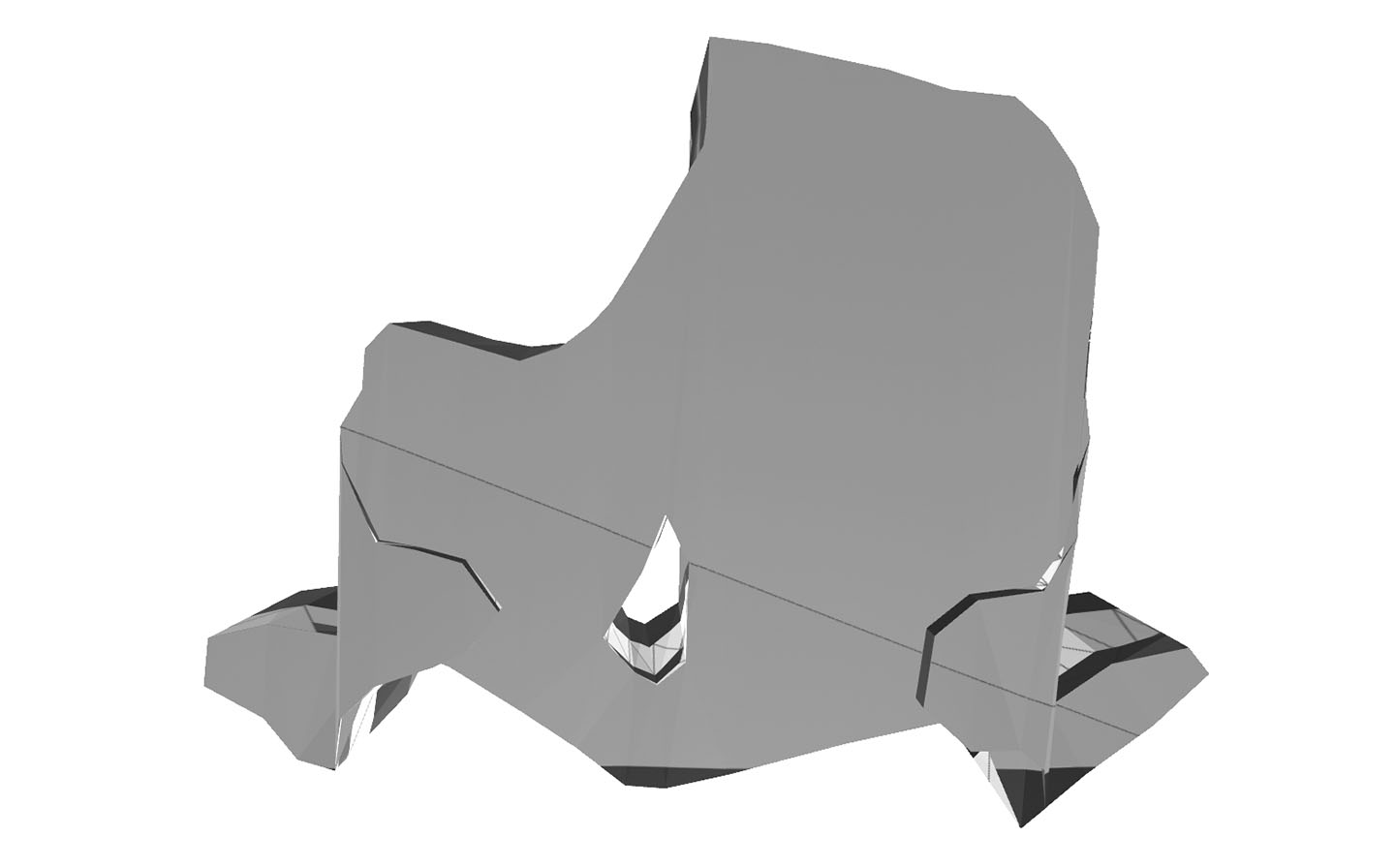
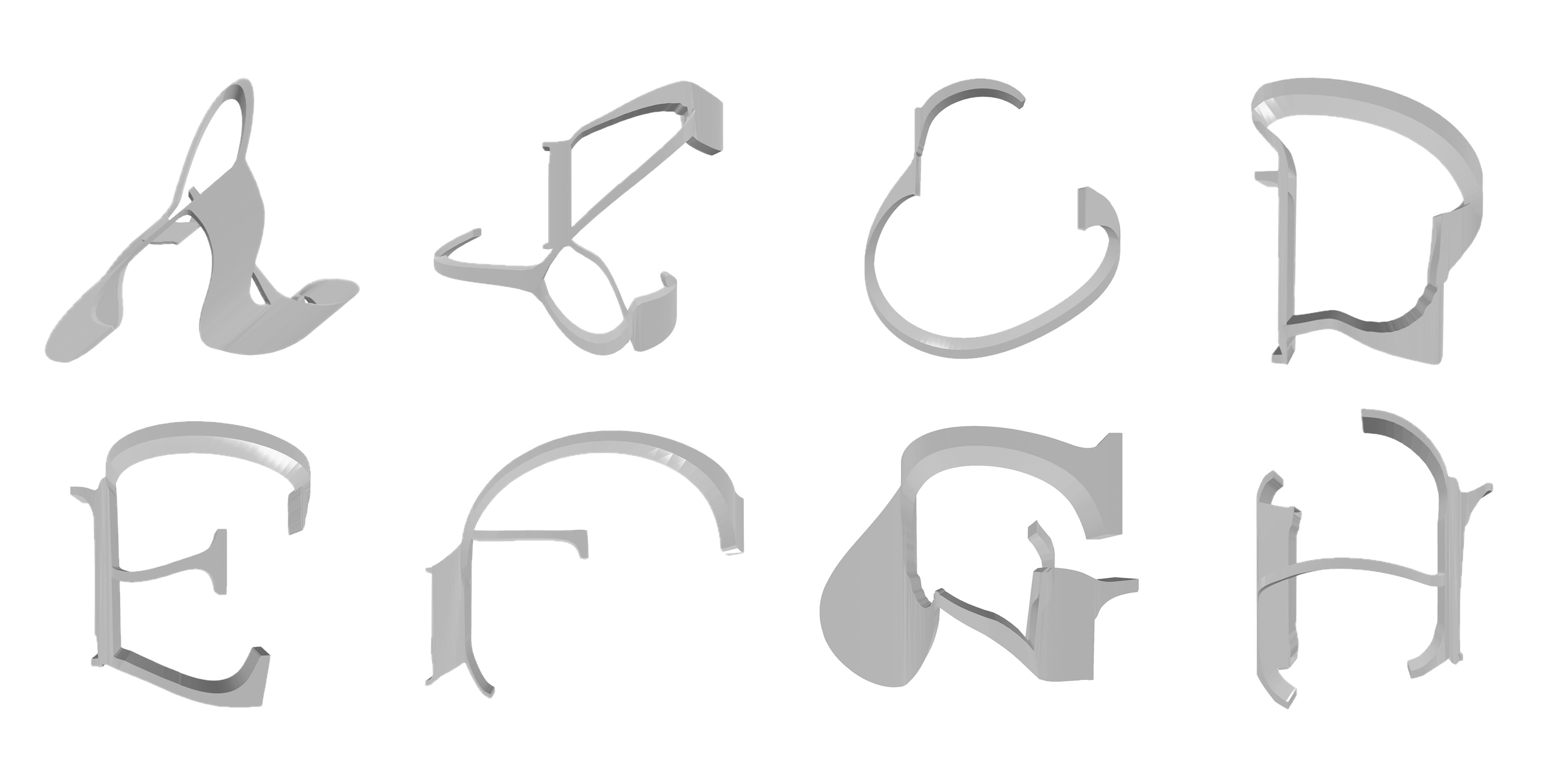
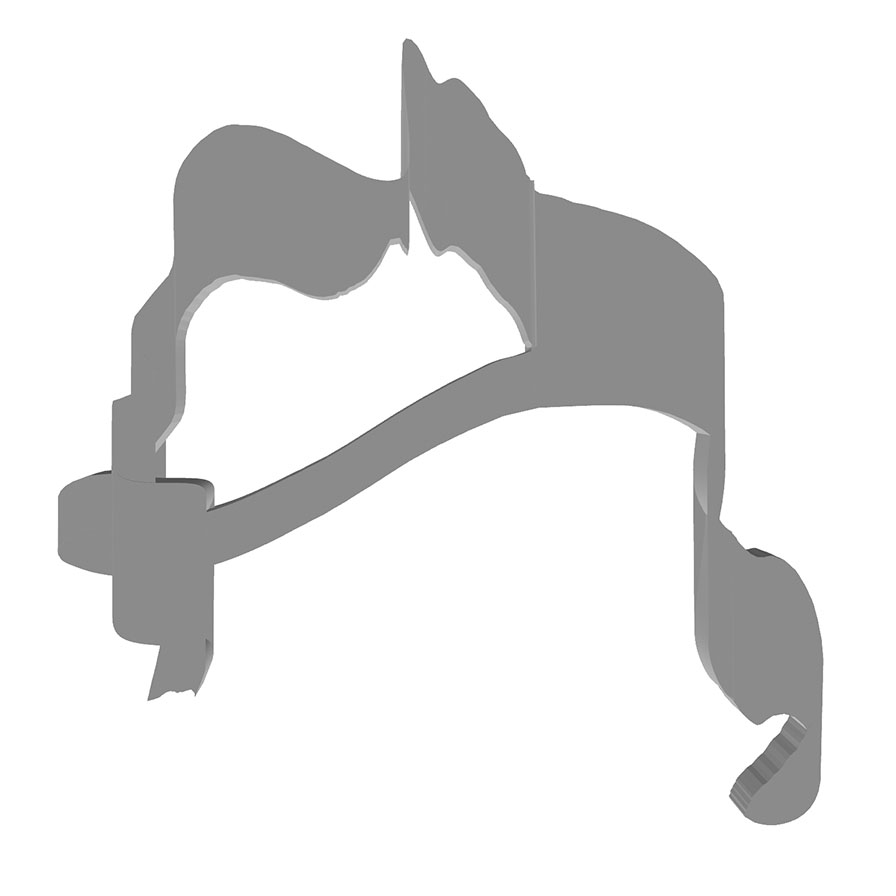
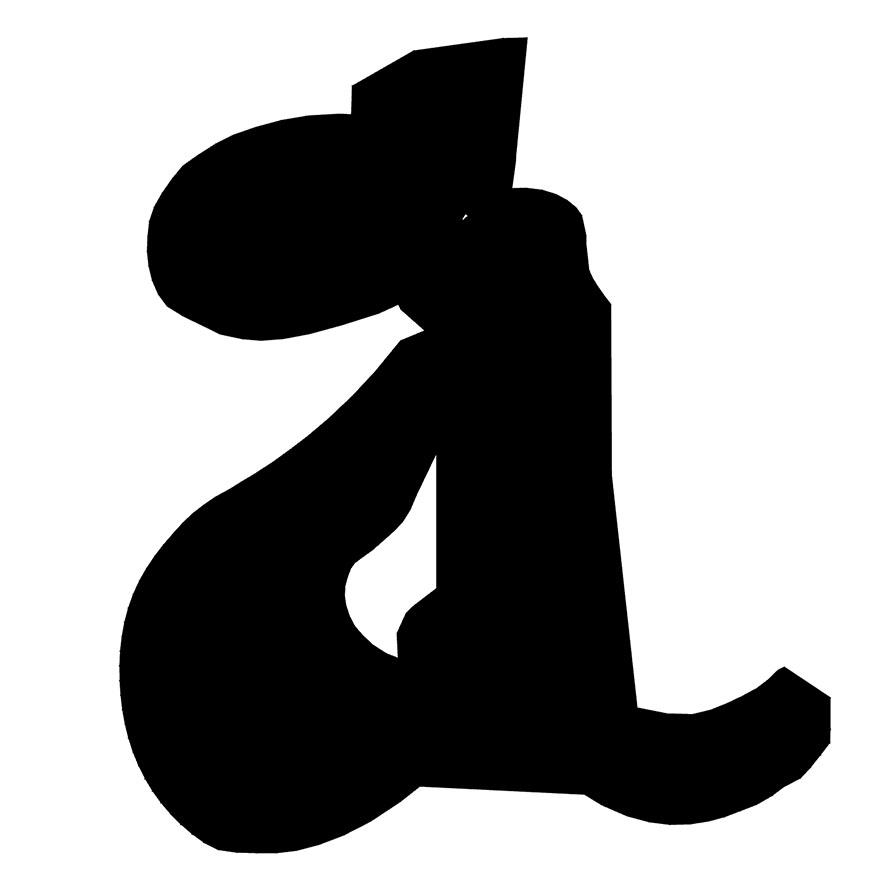
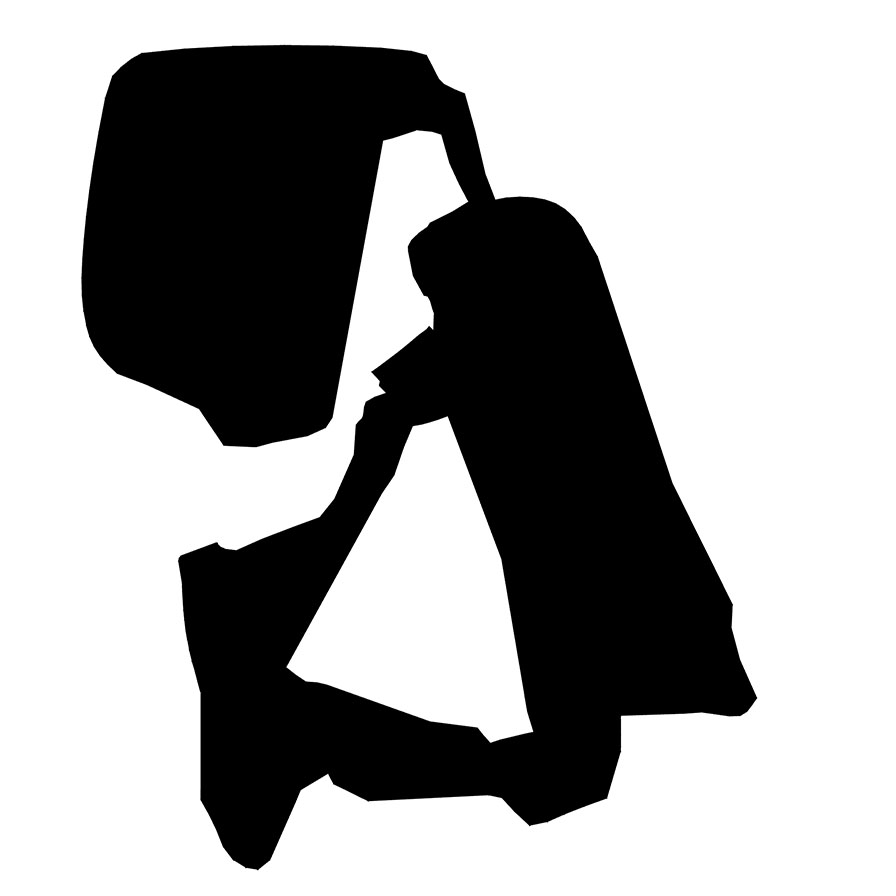
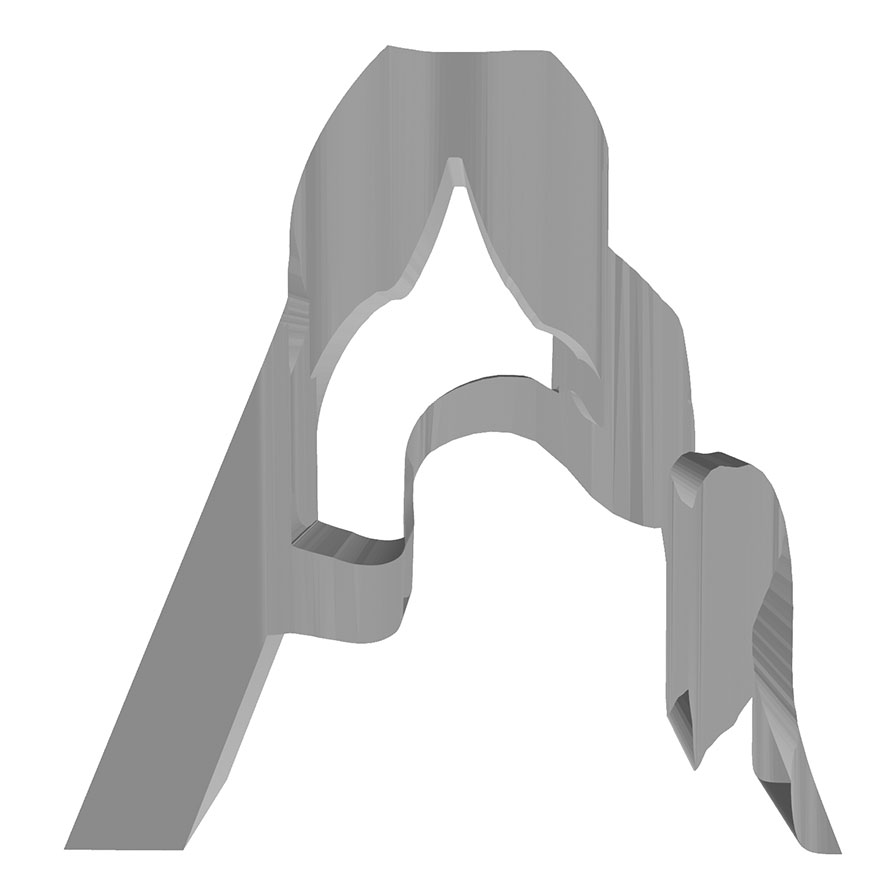
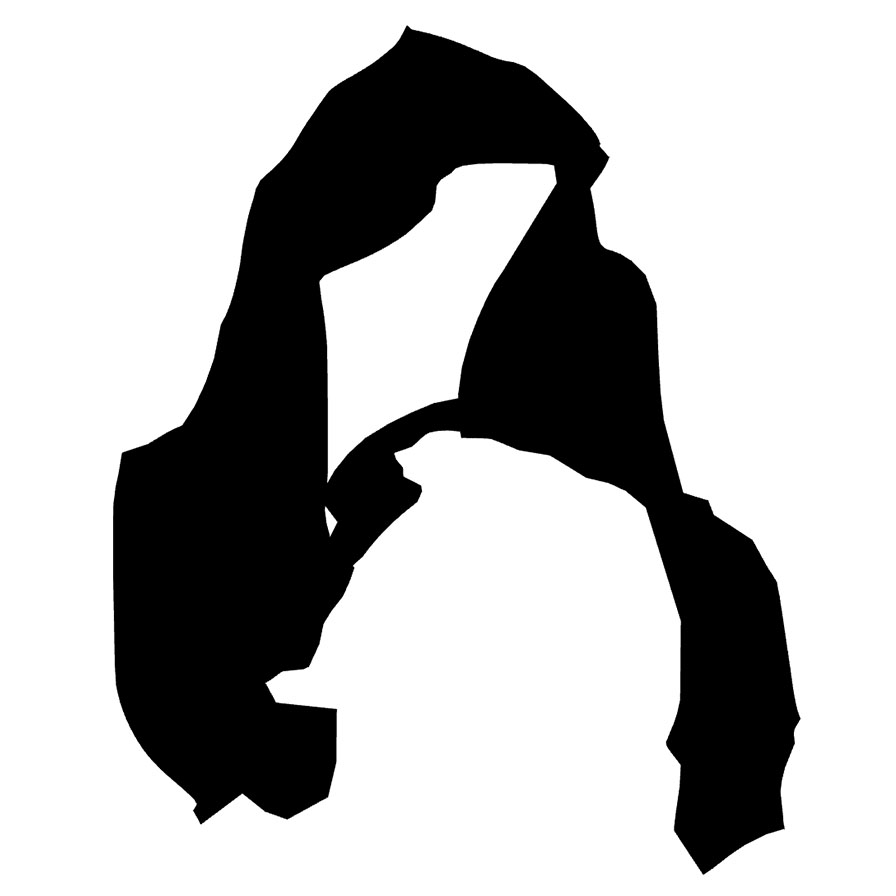
To Mold_2
Testing varying degrees of complexity and depth of the 3D forms. The typographic object inherits a corporeality despite its digitality. As their creation relies on performance, no two forms will ever look exactly the same.